Feng Shui for Butterfly Gardens: Attracting Beauty
Table of contents
- Site selection influenced by butterfly species habitat needs.
- Sunlight exposure increases butterfly attraction in gardens.
- Optimized garden layout engages visitors and enhances butterfly habitat.
- Water features significantly attract more butterflies to gardens.
- Creating diverse plant ecosystems supports various butterfly life stages.
- Understanding butterfly plant preferences is essential for effective gardening.
- Climate affects plant suitability for attracting specific butterfly species.
- Group planting enhances butterfly attraction and sustains populations.
- Maintaining plant health is critical for a butterfly-friendly environment.
- Water features enhance garden energy and attract wildlife.
- Water quality impacts butterfly visitation and garden vitality.
- Shelters are vital for protecting butterflies from weather and predators.
- Selecting specific plants can provide natural habitats for butterflies.
- Microclimates create diverse habitats, attracting different butterfly species.
- Community engagement amplifies butterfly conservation efforts and awareness.
- Feng Shui principles can enhance energy flow in butterfly gardens.
- Garden layout should promote organic flows to attract visitors.
- Choosing appropriate plants maintains energy flow and supports butterflies.
- Water elements foster a serene atmosphere in butterfly gardens.
- Regular maintenance is necessary to sustain a healthy butterfly habitat.
The Importance of Location and Layout
Understanding Geographic Preferences
When selecting a site for a butterfly garden, environmental factors greatly influence butterfly attraction. Numerous species have specific habitat requirements, which should be considered when planning your garden. For example, the Eastern Tiger Swallowtail thrives in open, sunlit areas, whereas the Monarch prefers a mix of sun and shade. Observing local flora and fauna can aid in determining which butterfly species are native to your area.
Research shows that butterflies are more likely to frequent gardens that replicate their natural environments. This means fine-tuning your location choice to align with local weather patterns, soil types, and vegetation can significantly enhance the number of species visiting your garden. Conducting a simple analysis of climate conditions in your zip code can provide insights into suitable plant choices and design strategies.
The Role of Sunlight
Sunlight is a crucial factor when considering the layout of a butterfly garden. Butterflies are ectothermic, relying on external heat sources to regulate their body temperature. Therefore, gardens positioned in direct sunlight can increase the likelihood of attracting various butterfly species. An optimal design would include sunny spots interspersed with shaded areas, allowing for temperature regulation across the day.
Designing with Layout in Mind
The layout of your garden can significantly impact visitor engagement. A well-structured butterfly garden should create a sensory pathway, leading visitors through diverse plantings and inviting them to connect with nature. Incorporating native flowers, such as milkweed or coneflowers, not only attracts butterflies but also promotes local biodiversity.
Additionally, varying plant heights and densities contributes to a dynamic garden layout, which can entice butterflies looking for different resting spots. Consider placing taller plants at the back and shorter ones at the front to create visual interest, enhancing both aesthetics and functionality.
Water Features and Their Impact
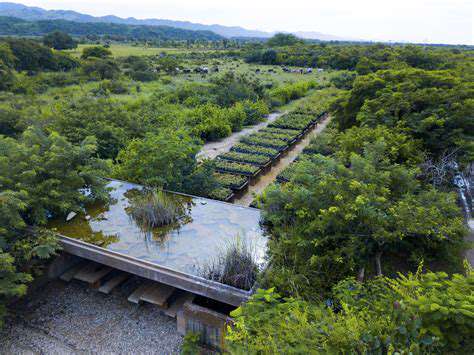
Adding water features, such as bird baths or shallow dishes, can have a significant impact on butterfly activity in your garden. Butterflies require water for hydration, and providing easy access can encourage them to visit. Ensure that water sources are safe, shallow, and regularly refreshed to maintain their appeal to local wildlife.
Research has indicated that gardens with accessible water sources are up to 30% more likely to attract butterflies than those without. This statistic underscores the importance of integrating functional elements into your garden design without compromising its beauty.
Creating a Balanced Ecosystem
Establishing a harmonious ecosystem is pivotal in making your butterfly garden thrive. Integrating various plant species not only attracts butterflies but also draws in their natural predators, helping to maintain ecological balance. It’s essential to include a mix of nectar plants, host plants for caterpillars, and shelter options to ensure the garden supports multiple life stages of butterflies.
By understanding the interconnectedness of plants and insects, you can cultivate a sustainable butterfly garden that becomes a thriving hub of biodiversity. Engaging with local gardening forums or butterfly conservatories could provide additional insights and foster community involvement.
Choosing the Right Plants
Understanding Butterfly Preferences
When selecting plants for a butterfly garden, it is crucial to understand the specific preferences of butterflies, which typically include nectar sources and host plants. Research shows that adult butterflies are generally attracted to brightly colored flowers that provide ample nectar and offer a variety of shapes. Flowers such as coneflowers, milkweed, and zinnias not only bring visual appeal but also effectively fulfill the dietary needs of butterflies.
Furthermore, the lifecycle of butterflies depends on having suitable host plants where they can lay their eggs. Each butterfly species typically has a select group of plants they prefer. For instance, monarch butterflies thrive on milkweed, while swallowtail butterflies favor dill and fennel. Thus, planting the right blend of nectar and host plants is vital for creating a thriving butterfly habitat.
Climate Considerations in Plant Selection
Choosing the right plants for your butterfly garden extends beyond aesthetics; climate plays a significant role. Different regions support varied butterfly populations, and hence, the plants you select must be adapted to your local climate. For example, in regions that experience high humidity and warm temperatures, plants such as lantana and verbena tend to flourish. The USDA Plant Hardiness Zone Map is an excellent resource for determining which plants are best suited for your area.
Landscaping Techniques to Enhance Attraction
Incorporating specific landscaping techniques can significantly enhance the appeal of your butterfly garden. Grouping plants in clusters rather than planting them sporadically creates a more inviting environment. This design not only draws butterflies in numbers but also makes it easier for them to locate their preferred food sources. Another effective tactic is to stagger blooming times, ensuring that flowers are available throughout different seasons, thus sustaining butterfly populations.
Maintaining Plant Health for Longevity
Maintaining the health of the chosen plants is essential for a successful butterfly garden. Regularly checking for pests, diseases, and ensuring adequate water supply can help sustain a vibrant environment. Organic gardening practices, such as using natural pest deterrents instead of harsh chemicals, will keep the plants healthy while also protecting the delicate butterflies that visit them. Additionally, mulching and proper pruning can enhance plant vitality, ensuring that your garden remains a welcoming habitat for years to come.
Water Features as Energy Enhancers

Why Water Features Enhance Chi
In Feng Shui, the concept of Chi represents the life force that flows through all living things. Incorporating water features is often considered a way to enhance this energy. By promoting a Healthy flow of Chi, water features can create a more vibrant environment. This energetic flow can drastically improve overall tranquility, promoting relaxation in garden settings.
Research indicates that the sound of moving water can have a soothing effect, contributing to reduced stress levels in individuals nearby. For instance, a study published in the Journal of Environmental Psychology found that natural water sounds can reduce psychological distress, thus improving mental well-being.
- Water features promote healthy Chi flow.
- They contribute to relaxation and tranquility.
- Moving water can reduce psychological stress.
Types of Water Features to Consider
There are numerous water features to consider when designing a butterfly garden. Ponds, fountains, and streams are popular choices that cater to different aesthetics and budget levels. Fountains are often favored for their accessibility and ability to add sound, thus enhancing both the visual and auditory appeal of the garden. They require less space and maintenance than ponds while still providing similar benefits.
Ponds, on the other hand, offer a larger ecosystem that can host various plant and animal life, including beneficial insects like butterflies. Small streams or waterfalls can also be implemented for a more dynamic display, as the moving water can help oxygenate the water, fostering a healthier habitat for aquatic creatures.
The Impact of Water Quality on Butterfly Attraction
The quality of water used in these features can significantly influence the overall ambiance and health of your garden. Clean, clear water is crucial for maintaining an inviting environment for butterflies and other pollinators. Stagnant water can be a breeding ground for mosquitoes, which may deter butterflies from visiting your garden. Regular maintenance and filtration systems can improve water quality, making the environment more appealing to butterflies.
Additionally, incorporating native aquatic plants can naturally filter water while providing habitats for various insects. Research shows that gardens designed with water features that include native species see an uptick in butterfly populations. According to a report from the National Pollinator Plan, planting native flora in conjunction with water features can increase pollinator visitation rates by as much as 50%.
Creating Shelters and Warmth
Understanding the Importance of Shelter in Butterfly Gardens
Creating a sanctuary for butterflies in your garden necessitates an understanding of their requirements. These delicate creatures seek shelter to protect themselves from harsh weather conditions and potential predators. It is particularly crucial during the transitional seasons when temperatures fluctuate. Providing sheltered areas can ensure butterflies feel secure and are more likely to visit your garden.
Research indicates that butterflies often gravitate towards sites offering protection from wind and rain. Incorporating structures such as hedges, shrubs, and even decorative elements like trellises can significantly improve your garden's butterfly-friendly environment. Each of these elements contributes to a cozy microhabitat tailored for different butterfly species.
Specific Plants That Provide Shelter
When selecting plants for your butterfly garden, consider those that not only provide nectar but also act as natural shelters. Dense flowering plants like asters and coneflowers create places for butterflies to rest. Additionally, host plants such as milkweed and rue are vital for the lifecycle of species like the Monarch butterfly, offering them both nourishment and protection as larvae.
Furthermore, utilizing native plants can enhance your garden’s ecosystem. They are often adapted to the local climate and can provide natural shelter without requiring extensive resources to maintain. Additionally, native plants tend to attract a wider variety of butterfly species, increasing the likelihood of a vibrant garden.
Materials to Enhance Shelter Construction
In addition to selecting the right plants, employing certain materials can bolster the structures in your butterfly garden. For example, natural materials such as bamboo stalks and tree bark can be arranged to create additional perches. These can serve as resting spots and add complexity to your garden layout.
Moreover, incorporating recycled elements, such as wooden pallets or stone piles, can provide both shelter and aesthetic appeal. These materials not only contribute to biodiversity but can also be pleasantly integrated into the landscape design. Balancing aesthetics and functionality is key to developing an inviting environment for butterflies.
Creating Microclimates for Enhanced Comfort
Microclimates are localized climate conditions that differ from the surrounding areas and can significantly affect butterfly behavior. Sunlight orientation, moisture levels, and wind patterns are key factors influencing these microclimates in your garden. Strategically placing tall plants on the north side can create shade in the hot afternoon, while sunny patches are preferable for butterflies seeking warmth.
Additionally, regions with varied topography can provide unique habitats within a small space. Elevating certain areas or incorporating slopes can create diverse microclimates, making your garden more appealing to various butterfly species. Understanding how to manipulate these aspects introduces another layer of strategy for attracting butterflies.
Seasonal Considerations for Shelter Maintenance
Maintaining a butterfly garden requires Seasonal Awareness to keep the shelters functional and inviting. For instance, in the spring, it’s important to look for any dead or damaged foliage that could hinder local butterflies. Pruning plants at strategic times can enhance new growth, which is crucial for the emerging butterfly population.
During winter months, some gardeners may opt to leave certain plants untrimmed, as they provide shelter for overwintering larvae and adult butterflies. Compiling research data suggests that this practice can significantly increase the survival rates of various butterfly species through the colder months, setting an optimal stage for spring emergence.
Community Involvement in Butterfly Conservation
Creating shelters and warmth in Butterfly Gardens doesn’t stop at individual efforts. Community involvement is vital in raising awareness about butterfly conservation. Local workshops can educate others about the importance of creating butterfly-friendly spaces, encouraging more people to participate in this initiative.
Engaging with community gardens or organizations focused on pollinator support amplifies the impact. Collective efforts can lead to the establishment of butterfly reserves and public parks, further promoting ecological diversity. Sharing personal experiences and successes in attracting butterflies can inspire others and make a lasting difference in local ecosystems.
Maintaining Energy Flow with Care

Understanding Feng Shui Principles
Feng Shui is an ancient Chinese practice that focuses on the arrangement of spaces to Promote Positive Energy flow, also known as “Qi.” Understanding these principles is essential to maintain the emotional and physical balance in your butterfly garden. By aligning plants and decorative elements properly, you can create an inviting and harmonious environment.
Basic Feng Shui principles include the bagua map, which highlights different energy zones in your garden. For instance, the wealth corner, often associated with abundance, should ideally be near water features, as water represents wealth in Feng Shui. Incorporating these elements thoughtfully could help you draw in both beauty and success.
Creating a Harmonious Layout
The layout of your butterfly garden has a significant impact on energy flow. To maximize this effect, consider arranging plants in clusters rather than in straight lines. This organic layout promotes a more relaxed atmosphere and encourages butterflies to visit. Curved pathways can enhance tranquility and lead to a sense of discovery within the garden.
Additionally, including seating areas can invite visitors to engage better with nature, giving them a space to reflect and enjoy the surroundings. By placing benches or chairs in strategic locations, you cultivate areas of mindfulness, allowing people to reconnect with the beauty around them.
Plant Selection and Placement
- Select native plants that attract butterflies and are suitable for your local climate.
- Group plants with similar water and sunlight needs to promote healthy growth.
- Use colorful flowers to stimulate positive energy and attract attention.
Choosing the right plants is crucial in maintaining energy flow. Native species can create a biodiverse environment that attracts various butterfly species, ensuring your garden remains dynamic. Additionally, planting in clusters increases the visual impact, making the garden appear fuller and inviting. A diverse array of colors can enrich the energy, transforming the space into a vibrant haven.
Water Features and Their Benefits
Incorporating water features, like small ponds or fountains, can enhance the overall atmosphere of your butterfly garden. Water is a powerful Feng Shui element that symbolizes prosperity and relaxation. The sound of flowing water can create a serene ambiance, encouraging both butterflies and visitors to linger. This sensory experience fosters a deeper connection with nature.
Additionally, ensure that the water feature is clean and well-maintained. Stagnant water can attract pests and create a negative energy flow. Keeping the water fresh not only benefits the garden's ecology but also upholds the garden's integrity in Feng Shui principles.
Creating Shelter and Habitats
Providing shelter for butterflies is just as crucial as planting flowers. Consider adding elements like birdhouses, logs, or stones to offer protection from predators and harsh weather. These habitats can improve the biodiversity of your garden and also contribute positively to energy flow. Creating safe havens encourages butterflies to settle and thrive.
Moreover, incorporating a variety of heights in your garden design can create visual interest and invite various species to inhabit the area. Tall plants can provide cover, while shorter blooms can attract butterflies directly, enhancing the garden's overall ecosystem.
Regular Maintenance for Continued Energy Flow
To maintain energy flow, regular upkeep is vital. This includes pruning dead plants, replenishing soil nutrients, and controlling pests without harsh chemicals. Keeping your garden healthy reflects a commitment to nurturing the environment, which in turn promotes good energy. A well-maintained garden not only looks appealing but serves as a positive energy source for all who visit.
Creating a maintenance schedule can help ensure that you do not overlook any important tasks. Regularly assess the health of your plants and the integration of your water features. By staying proactive, you can enjoy a vibrant and flourishing butterfly garden year-round.
Read more about Feng Shui for Butterfly Gardens: Attracting Beauty