Feng Shui for Rooftop Farms: Urban Food Production
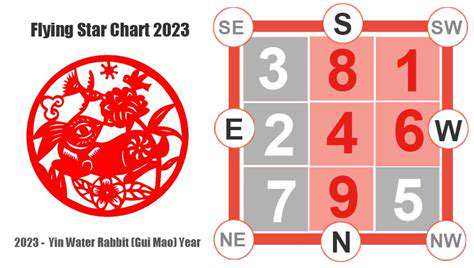
A notable principle is the Bagua map, which serves as a tool to assess the Energy flow. By overlaying the Bagua map onto your garden layout, you can identify areas for improvement and harmony. You could consider planting herbs associated with abundance in the wealth corner of your garden to enhance prosperity, reflecting a practical application of these ancient concepts.
Practical Applications of Feng Shui in Rooftop Gardens
When designing a rooftop garden, it's essential to consider accessibility and visibility. Placements of planters, seating, and pathways should promote an inviting atmosphere. Using curved pathways instead of straight ones can create a softer, more inviting space for relaxation and socialization. Additionally, adding vertical gardening structures can not only optimize limited space but also enhance energy flow throughout the rooftop.
Integrating colorful pots or decorative elements can intensify the attraction and keep the energy lively. Research indicates that garden aesthetics play a crucial role in stress reduction and overall well-being, benefiting both urban dwellers and the environment. Ultimately, by embracing Feng Shui in rooftop farming, you can create a vibrant sanctuary that promotes both plant growth and personal wellness.
Optimizing the Layout and Design of Rooftop Farms

Understanding Site Selection and Orientation
- Identify the best location for maximum sunlight exposure.
- Consider wind patterns and potential shade from nearby buildings.
- Assess the availability of water supply and accessibility for maintenance.
When choosing a site for a rooftop farm, it is critical to seek out a location that receives ample sunlight. The ideal position should maximize exposure, as this directly impacts plant growth and yields. Additionally, rooftop farms need to be oriented to minimize the effects of shadow from adjacent structures, which can hinder overall productivity.
Wind patterns are another crucial factor to consider. Properly orienting the rooftop farm to counteract prevailing winds can stabilize temperatures and protect plants from potential damage. This not only enhances plant resilience but can also lead to improved harvests. Conducting a thorough assessment of the rooftop's microclimate will aid in creating an optimal growing environment.
Utilizing Effective Planting Methods
Choosing the right planting method can significantly influence the success of a rooftop farm. Vertical gardening, for example, allows for maximizing space and can be particularly beneficial in urban areas where large ground plots are scarce. Utilizing wall-mounted systems or stacked planting can dramatically increase yield per square foot. According to research from the American Society of Horticultural Science, vertical gardens can yield up to four times more produce than traditional methods in compact areas.
Container gardening is another effective technique, perfect for rooftops. Utilizing pots and containers helps with managing soil fertility and moisture levels more easily. The choice of container is equally important, as materials like clay or plastic can affect soil temperature and moisture retention. Therefore, selecting high-quality, insulated containers can lead to healthier plants and better harvests.
Lastly, companion planting can be advantageous in rooftop farms. By strategically placing plants that benefit each other, you create a more resilient ecosystem. For instance, herbs can deter pests while enhancing flavors, making your urban farm not just productive but also diverse and interesting.
Incorporating Feng Shui Principles
Integrating Feng Shui principles into the design of rooftop farms can lead to improved energy flow and overall yield. For instance, positioning raised beds in a way that allows for easy access can create harmony and balance in the space. Appropriately placed water features or decorative elements are not just aesthetic; they can enhance the ambiance and positively influence plant vitality.
Moreover, the colors used in planting designs can also be aligned with Feng Shui principles. For example, incorporating red or orange flowers can promote energy and passion, thereby fostering a vibrant growing environment. It’s important to choose plants that not only thrive in an urban setting but also bring the desired energy according to these ancient principles. Small but thoughtful touches can make a significant difference in creating a compatible atmosphere for both plants and people.
Lastly, regularly rearranging plants based on seasons can maintain a fresh flow of energy on the rooftop farm. This practice can help in creating a dynamic relationship between the growers and the plants, inviting a sense of renewal and growth in both the crops and the individuals tending to them.
Choosing the Right Plants for Feng Shui Energy

Understanding Feng Shui Principles
Feng Shui, an ancient Chinese practice, centers on optimizing energy flow in your environment. Its principles are based on the idea that everything is interconnected, and thus, the placement and selection of plants can significantly influence the energy of a space.
One of the core tenets of Feng Shui is the concept of Chi, or life force energy. This energy can be both enhanced and blocked depending on various elements within a space, including plants. Choosing the right plants can enhance Positive energy and mitigate any stagnation.
In rooftop farms, the selection of plants must also consider their ability to thrive in elevated conditions. Native plants often have a better chance of succeeding in urban environments, as they are adapted to local weather, soil conditions, and pests.
- Chi is the life force energy influencing your environment.
- Plant selection impacts the enhancement or blockage of energy.
- Native plants usually perform well in urban rooftop settings.
Best Plants for Enhancing Positive Energy
Certain plants are traditionally associated with good luck, prosperity, and positive energy. For instance, the Pothos plant, known for its resilient growth and air-purifying qualities, is a favorite in Feng Shui practices. It's easy to care for, which makes it ideal for urban rooftop farms where maintenance might be a concern.
Another excellent choice is the “money tree” or Pachira aquatica, believed to attract wealth and abundance. Its unique braided trunk and rounded leaves can contribute to the overall aesthetic and energy of your rooftop space.
Many rooftop farmers find that incorporating herbs like basil or mint not only enhances positive energy but also provides culinary benefits. The delightful fragrances of these herbs can create a tranquil environment, perfect for unwinding after a busy urban day.
Guidelines for Plant Placement
Placement is just as crucial as plant selection in Feng Shui. The Bagua map, which divides spaces into nine areas reflecting different aspects of life, can guide where to place each type of plant. For instance, plants linked with wealth should ideally be placed in the southeast corner of your rooftop garden.
Additionally, maintaining a balance between plant sizes and heights can create a harmonious energy flow. Taller plants can be used in the back, while smaller plants should be placed in the front. Avoid overcrowding, as this can lead to stagnant energy.
- Use the Bagua map to guide plant placement.
- Balance the sizes and heights of plants for harmony.
- Avoid overcrowding to maintain positive energy flow.
Maintaining Plant Health for Optimal Energy
Healthy plants are essential for ensuring vibrant energy in your rooftop farm. Routine care and monitoring allow you to address any issues before they affect the overall energy. Regular watering, appropriate fertilization, and pest management are three key components to keep in mind.
Incorporating organic gardening techniques can elevate the health of your plants. Methods such as composting and natural pest repellents not only promote sustainability but also align with the principles of Feng Shui, fostering a more harmonious connection with your environment.
Taking the time to nurture your rooftop garden not only reflects an investment in your plants’ health but can also serve as a mindful practice that encourages a positive mindset, ultimately enhancing the energy of your space.
Color Schemes and Materials that Influence Energy
Understanding Color Psychology in Urban Farming
Color Psychology plays a vital role in how we perceive and interact with our environment, even in rooftop farms. Research indicates that colors can affect mood, productivity, and even plant growth. For example, warm colors like red and orange are often stimulating, potentially increasing energy levels among workers while cooler colors like blue and green promote relaxation and focus. Incorporating these findings into the design of rooftop farms could enhance not only the aesthetics but also the overall well-being of those who work there.
Moreover, studies have shown that specific colors can influence a plant's growth rate and health. For instance, blue light is crucial during vegetative growth for many plants, while red light can enhance flowering. Therefore, selecting the right color scheme for planting beds and surrounding structures could optimize both the productivity of the crops and the mood of the workers managing them.
Material Selection and Sustainability
Choosing appropriate materials in rooftop farm construction can significantly impact Energy Efficiency and sustainability. Utilizing recycled materials, such as reclaimed wood or eco-friendly composites, supports environmental conservation while providing durability. It's essential to choose materials that can withstand environmental stressors like wind, rain, and temperature fluctuations, common in urban settings. For example, using weather-resistant materials ensures that the roof farm remains functional and safe for longer periods.
Moreover, the thermal mass of materials can influence energy retention. Materials like concrete, which retain heat well, can help maintain a stable growing environment. According to studies, integrating thermal mass into rooftop designs can reduce energy costs associated with heating or cooling local spaces, thereby promoting sustainability in urban farming.
Utilizing Reflective Surfaces for Energy Efficiency
Utilizing reflective surfaces in rooftop farms can be a game-changer for energy efficiency. Materials with high albedo, such as reflective coatings or lighter-colored roofing materials, can significantly reduce heat absorption. This strategy minimizes the urban heat island effect, cooling the surrounding area, and ensuring crops thrive without excessively high temperatures. By reflecting sunlight, these surfaces reduce energy costs associated with air conditioning in nearby buildings.
Research from the Lawrence Berkeley National Laboratory highlights the potential for reflective roofs to lower energy use in urban settings. The implementation of these strategies on rooftop farms not only contributes to energy savings but also fosters a more sustainable urban ecosystem. Rooftop farms ready to adopt these reflective strategies might also receive favorable points toward green certifications, such as LEED, enhancing their market value.
Integrating Local Culture through Design Choices
Incorporating local cultural aesthetics within the rooftop farm's design is essential for creating a sense of community and identity. Using materials and color schemes that reflect the surrounding neighborhood can enhance not just the visual appeal but also foster a sense of ownership among residents. Whether through murals, local motifs, or regionally sourced materials, aligning the rooftop farm's visual aspects with local culture promotes acceptance and support.
Studies have shown that community involvement in urban farming initiatives increases participation and interest. Factors like cultural aesthetics can make those spaces feel more inviting and encouraging for urban dwellers. Moreover, hosting local artists to design elements of the farm can create a unique space that stands out while still being rooted in the community and contributing to collective energy and spirit.
Creating a Personal Connection with the Space
Understanding Your Rooftop Environment
To establish a personal connection with your rooftop farm, it's crucial to assess the specific environmental factors that influence plant growth. Factors like sunlight exposure, wind patterns, and temperature fluctuations can greatly impact your farm's yield. For instance, rooftops in urban settings often absorb more heat, resulting in microclimates that can affect plant health. Knowing how your rooftop environment functions helps you make informed choices about what plants to cultivate.
Additionally, conducting a soil analysis, even in containers, can yield insights into your farming capabilities. Urban soils often differ significantly from traditional farmland; understanding nutrient content and pH levels can guide your selection of soil amendments and fertilizers, ensuring optimal farming conditions.
Utilizing Feng Shui Principles
Integrating Feng Shui principles can deepen your connection to the rooftop space while promoting harmony. For example, the Bagua map offers a framework for organizing your plants and elements according to life areas like health, wealth, and relationships. Positioning certain plants related to these areas can help create a more balanced and fruitful environment. When plants are energetically aligned, it is believed to foster a sense of well-being that enhances your farming experience.
Engaging with the Community
Creating a personal connection also extends beyond the physical space of your rooftop farm; engaging with the local community is equally important. Hosting workshops or inviting neighbors for gardening sessions can create a sense of camaraderie and shared purpose. This not only boosts your farming efforts but also enhances community ties, establishing a network of support and shared knowledge. Research shows that community gardens can increase social interactions, which is beneficial for both mental health and motivation in sustainable urban farming.
Read more about Feng Shui for Rooftop Farms: Urban Food Production