Feng Shui for Terrariums: Miniature Ecosystems
Contents
Choose terrarium containers based on plant needs for optimal growth.
Glass containers enhance aesthetics while maintaining necessary light levels.
Size affects plant choice, with larger containers allowing diverse species.
Environmental factors like light and humidity are vital for plant health.
Personalization adds unique flair while ensuring plant space availability.
Understand plant characteristics for compatibility and harmonious ecosystems.
Layering plants enhances aesthetics by providing depth and visual interest.
Seasonal adaptations of plants ensure optimal health year-round.
Incorporate natural elements for feng shui and a balanced environment.
Mindful arrangement promotes good energy flow in terrariums.
Maintain optimal light conditions to support healthy plant growth.
Watering techniques must suit specific plant needs to prevent issues.
Regular pruning supports health and maintains aesthetic appeal in terrariums.
Monitor for pests and diseases to ensure thriving terrarium environments.
Container selection affects drainage and overall plant health.
Choosing the Right Container

Types of Containers for Terrariums
When it comes to terrariums, choosing the right type of container is essential. There are various options available, such as glass jars, aquariums, or specialized terrarium kits. Each type has its advantages and disadvantages, so it’s crucial to consider the specific needs of your plants. For instance, a large glass jar allows for more space but may require more frequent maintenance.
In contrast, small terrariums can be attractive and fit well in tighter spaces, though they often limit plant growth. For beginners, starting with a sealed glass container can be beneficial as it maintains humidity levels, reducing the need for regular watering.
Material Considerations
The material of the container can impact the microenvironment within your terrarium significantly. Common choices include glass, plastic, and ceramic. Glass containers are particularly popular due to their aesthetic appeal and clarity, allowing you to enjoy the view of your miniature ecosystem. They also facilitate better light penetration, which is vital for photosynthesis.
However, if you’re looking for lightweight options, plastic containers might be more convenient. While plastic may not offer the same visual charm as glass, it can be just as effective when maintained properly. In contrast, ceramic containers are often more durable but can be heavier and less customizable.
Size and Shape Considerations
The size and shape of your terrarium container can significantly affect its design and the types of plants you choose. Smaller containers create a compact ecosystem and can be ideal for mosses and small succulents. In contrast, larger containers allow for a variety of plants, creating more complex and engaging landscapes.
- Small containers work well for low-maintenance plants.
- Larger containers provide flexibility for diverse plant species.
- The shape can affect airflow and light distribution.
Shapes also play a role; cylindrical or open-top containers are great for light circulation, whereas closed containers can retain moisture effectively. Thus, choosing the right size and shape can set the stage for your terrarium’s overall health and growth.
Environmental Factors to Consider
Environmental stability is crucial in maintaining a thriving terrarium. Factors such as light exposure, humidity, and temperature will greatly influence plant health. For example, placing a terrarium in direct sunlight can be detrimental, as excessive heat can scorch the plants inside. It's best to find a balance, often by positioning your terrarium in a location with filtered light.
Moreover, humidity plays a vital role in the survival of moisture-loving plants, which may require extra attention in a dry climate. Regularly monitoring these conditions can help create a flourishing ecosystem. Each type of plant has its requirements, so understanding their preferences is vital in achieving the ideal environment.
Personalizing Your Terrarium
Personalization in Terrarium design not only enhances visual appeal but also allows for creative expression. Adding decorative elements like stones, driftwood, or figurines can elevate the aesthetic experience. These accessories should complement the ecosystem, rather than compete with the plants for attention.
Furthermore, integrating varying types of plants can create depth and interest within the design. Including layers of textures, colors, and heights enriches the overall experience. As someone who has crafted numerous terrariums, I suggest keeping a balance between decorative elements and plant space to maintain health. Ultimately, a Personalized terrarium reflects your style while ensuring your plants thrive.
Selecting Plants for Balance and Harmony

Understanding Plant Characteristics
When selecting plants for a terrarium, it's crucial to understand their specific light and water needs. Different plants thrive under varying conditions, and knowing these requirements can prevent mishaps. For example, succulents generally prefer dry environments with limited watering, while ferns require consistent moisture and indirect light.
Additionally, it's important to consider the growth habits of the plants you choose. Some plants grow upright, while others may spread laterally. This can affect the overall design and balance of your terrarium. If you're aiming for a layered look, incorporating both types can add visual interest.
Choosing Compatible Plants
- Opt for plants that require similar environments.
- Consider the size and growth pattern of each plant.
- Select plants that complement each other's aesthetics.
Compatibility among plants is vital for creating a harmonious terrarium. Selecting species that thrive in the same conditions ensures a cohesive ecosystem. For instance, pairing air plants with cacti can be disastrous because their water needs are drastically different.
Instead, consider combinations like creeping fig with pothos or peace lilies. These plants not only thrive under similar humidity levels but also create a lush, green aesthetic that enhances the terrarium's look. Research local flora to understand which plants naturally coexist in the same environment.
Maintaining Balance in Design
A visually appealing terrarium should reflect balance and harmony. This can be achieved through thoughtful arrangement; taller plants should be placed towards the back while shorter ones are positioned in front. This layering technique not only enhances depth but also allows each plant's unique features to shine.
Additionally, you'll want to balance color and texture. For example, vibrant flowering plants can be paired with darker green foliage to create contrast. Well-thought-out design can make your terrarium not just a habitat for your plants but also an attractive centerpiece in your home.
Seasonal Adaptations and Care Tips
Adapting your plant selection based on seasons can further enhance balance within your terrarium. For example, in brighter months, you might consider adding more vibrant plants that enjoy higher light conditions. Conversely, in winter, focusing on hardy species can ensure they survive cooler temperatures. Being mindful of seasonal changes allows for dynamic environments that can lead to a healthier ecosystem.
Regular care and maintenance are essential for sustaining the balance in your terrarium. Monitor moisture levels, adjust light exposure as needed, and prune any overgrown plants. Keeping a consistent care routine not only promotes healthy growth but also fosters the aesthetic integrity of your miniature ecosystem.
Incorporating Natural Elements
Understanding Natural Elements in Feng Shui
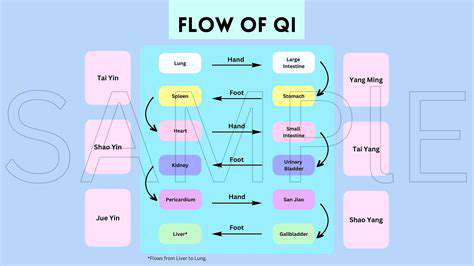
Feng Shui focuses on the harmonious flow of energy, or qi, within a space. Incorporating Natural Elements Enhances this flow and creates a balanced environment. Different elements, such as wood, fire, earth, metal, and water, correspond to specific aspects of life and can be strategically used in terrariums. For instance, wood represents growth and vitality, making it ideal for fostering creativity and personal development.
Research reveals that exposure to natural elements can significantly reduce stress levels and improve overall well-being. A study conducted by the University of Queensland found that incorporating plants into indoor spaces increases concentration and productivity. By applying Feng Shui principles to terrariums, you create not just a decorative piece but a functional environment that promotes mental clarity and tranquility.
Choosing the Right Plants
Selecting the right plants for your terrarium is essential. Plants like ferns, moss, and small succulents are not only visually appealing but also thrive in the controlled environment of a terrarium. Make sure to opt for plants that share similar light and water requirements to maintain balance. When designing your terrarium, consider incorporating plants that symbolize prosperity and good fortune, such as the money tree.
Additionally, it's worth noting that particular plant arrangements can enhance specific Feng Shui areas within your space. For example, placing a small bamboo plant in the wealth corner of your home can attract financial prosperity. Therefore, awareness of each plant's characteristics along with their meanings can maximize your terrarium’s Feng Shui influence.
Utilizing Natural Materials
Incorporating natural materials is crucial to align with Feng Shui principles. Consider using elements like stones, wood, and sand in your terrarium to create a multi-layered aesthetic. These materials not only serve to enhance visual appeal but also improve the energetic quality of your terrarium. When selecting stones, opt for smooth river rocks or crystals, which can attract positive energy.
Moreover, adding layers with various materials can represent the earth element, providing stability and grounding to your arrangement. A balanced terrarium will incorporate visual and tactile differences, providing harmony among the elements present. Utilizing locally sourced or reclaimed materials adds an eco-friendly twist and enhances the connection to nature.
Creating Harmony with Layout
The layout of your terrarium is equally important in achieving a balanced energy flow. Employing the Bagua map, a Feng Shui tool, can guide you in positioning your plants and materials meaningfully. Each section of the Bagua map corresponds to specific areas of life such as wealth, health, and relationships, which you can enhance by thoughtfully placing plants.
For example, placing flowers or vibrant plants in the relationship area can promote harmony and connection. Likewise, a small flowing water feature can invigorate the wealth corner, creating a dynamic flow of energy. A well-considered layout fosters a tranquil atmosphere while effectively channeling energy to enhance various aspects of life.
Don't hesitate to adjust and experiment with your terrarium layout. Sometimes, a simple rearrangement can drastically improve the overall energy and aesthetics of your creation.
Maintaining Your Terrarium
Once you've created your terrarium, maintaining it is key to its longevity and energy flow. Regular monitoring of moisture levels is essential as terrariums can easily shift from too dry to overly wet. When watering, aim for a balanced approach; this not only sustains plant health but also ensures the right energy flow remains intact.
Furthermore, routine pruning is beneficial as it encourages growth while preventing overcrowding. Healthy plants exude positive energy, which is vital for the holistic Feng Shui principle. Keep an eye out for any signs of decay or pests, as they can disrupt the harmony you’ve created. By dedicating time to care, you nurture both the plants and the space they inhabit.
Integrating Color and Symbolism
Each color in Feng Shui has its unique symbolism and energy. In your terrarium, you can incorporate colored stones or decorative elements that represent specific intentions. For instance, red symbolizes passion and vitality, while green represents growth and renewal. You can achieve a dynamic balance by using colors that correspond with the attributes you want to enhance in your life.
When selecting additional items, consider the materials and colors that align with your personal goals. For example, metallic accents can introduce the element of metal, promoting clarity and precision. As you integrate color, think about your intentions clearly; this mindfulness will resonate throughout your terrarium, reinforcing the purpose it serves.
Personalizing Your Terrarium
Personalization adds a unique touch to your terrarium and allows it to reflect your personal journey. Incorporate meaningful objects, such as photos or small mementos, alongside plants to create a narrative within your terrarium. This not only makes it visually interesting but also reinforces your connection to the symbolic meanings of Feng Shui.
Consider what themes resonate most with you—whether it’s abundance, tranquility, or creativity—and select elements that represent those themes. By tailoring your terrarium to your personal aesthetic and aspirations, you create a miniature ecosystem that is not only visually appealing but also serves as a continual reminder of your personal intentions and goals.
Arranging Elements Mindfully
Understanding Feng Shui Principles
Feng Shui, an ancient Chinese practice, revolves around the concept of harnessing energy or qi to promote harmony in one’s environment. Its underlying principles can profoundly impact the arrangement of elements in terrariums. This practice emphasizes balance, orientation, and the natural flow of energy, which are essential in creating a thriving miniature ecosystem. By following these principles, you can enhance not only the aesthetic of your terrarium but also its health.
In the context of terrariums, the arrangement of stones, plants, and other elements should reflect a sense of balance. For instance, larger elements can be positioned at the back or sides, allowing smaller plants to take center stage. This layout invites the eye to move fluidly across the terrarium and enhances the visual appeal. Moreover, employing principles such as the Bagua map can help identify the areas that resonate with your specific intentions, be it prosperity, health, or relationships, when designing your miniature garden.
Choosing the Right Plants
When selecting plants for your terrarium, consider using species known for their ability to thrive in confined environments. Small ferns, mosses, and jade plants are excellent options due to their hardiness and compatibility with different humidity levels. Recent studies have shown that certain plants can improve air quality by filtering pollutants, aligning perfectly with Feng Shui’s focus on promoting a healthy living space.
Additionally, it's advisable to pair plants with complementary growth requirements. For instance, a mix of shade-loving plants should not be placed alongside sun-loving varieties, as this can create competition for resources. By ensuring that your plants can coexist amicably, you’ll foster not only a visually pleasing terrarium but also one that supports the well-being of its inhabitants.
It might also be worthwhile to research the specific meanings associated with different plants in Feng Shui. For instance, lucky bamboo is known for attracting good fortune and has a unique structural form that can add an interesting visual element to your design.
Material Considerations
The materials used in your terrarium can greatly influence its overall harmony. Quality soil, decorative stones, and even water can play substantial roles in the ecosystem's health. Use well-draining soil to prevent overwatering — a common issue in closed environments. Additionally, incorporating natural elements such as pebbles or crystals can enhance the design while aligning with Feng Shui principles.
When selecting materials, consider their transformational properties; for example, clear glass containers can amplify light, while natural wood accents can introduce warmth. This diversity in materials fosters a balance between natural and decorative elements, maintaining a visual and energetic equilibrium in your terrarium.
Ensure that any materials you choose are safe for both plants and pets, especially if you plan to place your terrarium in a shared space. Researching options that minimize toxicity can help ensure that your miniature ecosystem is safe and enriching for all.
Layout for Optimized Flow
A well-planned layout is crucial in creating an energizing terrarium. Position the primary focal point—typically the tallest or most visually striking plant—at the back center to create depth. Surround it with lower growing and cascading plants to enhance the three-dimensional look and maintain an organic flow throughout the terrarium.
It's also important to allow for space between plants to enable airflow and prevent mold growth. Creating a sense of organization, while also allowing freedom of growth, is essential for both aesthetics and ecosystem health. Think of your terrarium as a living artwork, where every detail contributes to the overall vibrancy.
Textural variation can also enhance the layout; mixing leaf types, colors, and shapes allows the arrangement to feel dynamic and alive. Periodically reassess the layout, as some plants may grow faster than others, requiring adjustments to maintain balance.
Maintaining Your Terrarium with Mindfulness
Once your terrarium is arranged with mindfulness toward Feng Shui principles, the next step involves ongoing upkeep to ensure it remains healthy and harmonious. Regularly check the moisture levels of the soil and air; a simple touch test can often suffice in determining when to water. Keep in mind that overwatered plants are just as detrimental as underwatered ones.
Moreover, observe the growth patterns and any signs of stress in your plants, which can often be indicative of underlying environmental issues. Perhaps a certain plant isn’t receiving adequate light or has become too crowded. Address these issues quickly to prevent them from negatively impacting the overall ecosystem.
A mindful maintenance routine can also include periodic rearrangement of elements to rejuvenate your terrarium's energy. This revisiting of the arrangement aligns with the dynamic nature of life, allowing for new growth and fresh energy to flow through your miniature ecosystem.
Maintaining Your Feng Shui Terrarium
Understanding the Importance of Light
Light plays a critical role in maintaining the health of your feng shui terrarium. Most plants within these miniature ecosystems require ample indirect sunlight to thrive. Direct sunlight can lead to overheating and burn delicate leaves, while too little light can stunt growth and diminish vibrancy. Finding a well-lit location that avoids harsh, direct rays is key.
For optimal placement, consider a spot that receives bright but filtered light. Windows with sheer curtains or areas that receive morning sunlight are often perfect. Keep an eye on your plants; if they appear leggy or stretch towards the light, it may be an indication they're not receiving enough. Adjust their position gradually to ensure they acclimate well without shock.
Watering Techniques for Optimal Growth
Watering can be one of the more challenging aspects of maintaining a feng shui terrarium. Over-watering is a common mistake that leads to root rot and plant death. To avoid this, always check the soil moisture before adding water. If the top inch feels dry, it’s time to water, and ensure to use a spray bottle or a watering can with a narrow spout to reach all areas without flooding.
Another factor to consider is the type of plants in your terrarium. Succulents and cacti require far less moisture compared to tropical plants. Understanding the specific needs of each plant variety will prevent unnecessary stress and ensure longevity. Remember, consistency is key; establishing a regular watering schedule can help maintain balance.
Using distilled or rainwater can also make a significant difference. Tap water may contain chemicals such as chlorine, which can harm sensitive plants over time. If possible, use filtered water that is free of impurities for the best results.
Pruning and Maintenance Essentials
Regular pruning is an essential aspect of Maintaining Your Terrarium. It encourages new growth and helps keep the plants within their intended space. In general, ensure you have sharp pruning shears on hand, as clean cuts promote better healing and reduce the risk of disease. Aim to remove any dead or yellowing leaves promptly to avoid spreading mold.
When pruning, be mindful of the shapes and sizes of your plants. Balancing the height and fullness gives an appealing aesthetic that aligns with feng shui principles. Additionally, keep your terrarium tools clean to prevent contamination between plants. A simple wipe with rubbing alcohol can help maintain cleanliness and prevent the spread of pests.
Managing Pests and Diseases
Keeping your Terrarium healthy means being vigilant against pests and diseases. Common issues include aphids, spider mites, and mealybugs. Regularly inspecting your plants for signs of infestation, such as webbing or unusual spots, will ensure you can act quickly to manage any outbreaks. Prevention is also crucial; beneficial insects like ladybugs can help control pest populations without harmful chemicals.
If you discover pests, try using a mixture of water and mild soap to treat affected areas. This gentle approach typically does not harm plants while effectively ridding them of unwanted insects. Regular cleaning of the terrarium glass and surrounding area also helps deter pest populations.
Choosing the Right Container
The container you choose for your feng shui terrarium significantly impacts its maintenance. It's crucial to select a vessel that offers adequate drainage, as standing water can lead to root rot. Glass containers with drainage holes are ideal, but if your choice lacks this feature, consider placing a layer of rocks or activated charcoal at the bottom to facilitate water movement.
Additionally, the size and shape of the container matter. A wider base promotes stability and facilitates better air circulation, which is essential for plant health. Keep feng shui in mind during your selection process; rounded containers are often preferred as they symbolize community and harmony.
Seasonal Adjustments to Care
With changing seasons, your terrarium's needs will shift as well. During colder months, indoor environments can become dry and less humid, impacting plant health. It's beneficial to monitor humidity levels closely and consider misting plants or placing a small humidifier nearby if they appear to be suffering from dry air.
In warmer months, always check the sun exposure and temperature. While plants may enjoy additional sunlight, ensure they aren't being scorched. You might need to adjust their locations or use curtains for shading to keep an ideal climate. Adapting your care routine to the seasonal conditions will ensure your terrarium thrives year-round.
Creating Positive Energy with Arrangement
The arrangement of plants and decorative elements within your terrarium is more than aesthetic; it’s about fostering positive energy. Following feng shui principles, consider the placement of different plant types. Taller plants can ground the space, while trailing plants add movement and softness to the overall feel.
Moreover, incorporating natural elements like stones, crystals, or figurines can enhance your terrarium's energy flow. Make sure to arrange these elements thoughtfully; balance is key. Observing how different items interact visually and energetically will contribute to the overall harmony of your miniature ecosystem.
Read more about Feng Shui for Terrariums: Miniature Ecosystems