Table of contents
Feng Shui principles enhance pet photography's composition and viewer engagement.
Selecting harmonious backgrounds ensures pets remain the focal point of images.
Outdoor locations with natural light create captivating environments for pet photography.
Soft morning light enhances pet photos, avoiding harsh shadows and direct sunlight.
Colors influence mood; warm tones foster comfort while cool tones offer calm.
Post-processing should emphasize simplicity, enhancing natural beauty and harmony.
Experimenting with angles reveals your pet's personality and enhances viewer connection.
Capturing close-ups can highlight fine details and emotions in pet photography.
Natural light reduces harshness and enhances warmth in pet images.
Effective positioning keeps pets in focus and minimizes background distractions.
Utilizing composition techniques like the rule of thirds enhances visual interest.
Engage pets with toys or noises to capture natural expressions and moments.
Familiar environments lead to more authentic pet behavior during photo sessions.
Timing photography sessions around pets' energy levels leads to dynamic shots.
Understanding pet behavior facilitates capturing candid moments during photo sessions.
Investing in quality equipment improves control and photo outcomes in pet photography.
Post-processing improves overall image quality while maintaining the pet’s natural appearance.
Displaying pet photos in creative ways reflects their personality and bond.
Keep cameras accessible to capture spontaneous and meaningful pet moments.
Creating a Harmonious Environment for Pet Photography
Understanding the Basics of Feng Shui in Photography
Feng Shui, a practice rooted in Chinese philosophy, focuses on harmonizing individuals with their environment. In pet photography, applying these principles can significantly enhance the Visual Appeal of your photos. For instance, considering the placement of objects and lighting can add a layer of tranquility and balance to the images of beloved pets.
Research indicates that cluttered backgrounds often lead to distractions in photographs. Practitioners of Feng Shui emphasize the importance of creating a clear, harmonious space that allows the subject—your pet—to be the focal point. Choosing backgrounds in alignment with Feng Shui Principles not only benefits aesthetics but augments the emotional engagement of viewers.
Choosing the Right Location for Pet Photography
The location you select for a photography session plays a crucial role in the overall composition. Outdoor settings, with their dynamic lighting and natural backdrops, often serve as ideal venues. However, it's essential to ensure that the location resonates with Feng Shui principles, meaning spaces should feel open and inviting without overcrowding.
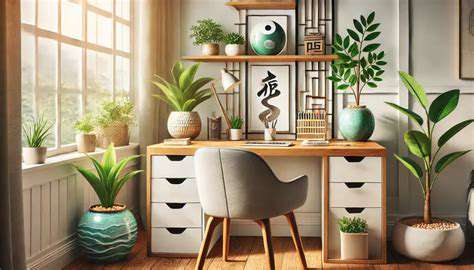
Indoor settings can also be tailored to enhance the visual dynamics of pet photography. Areas that boast natural light and thoughtful arrangement of furniture can create an inviting environment that not only looks great but feels harmonious. For example, taking a few moments to rearrange furniture or clear away distractions can help in achieving that calm balance which Feng Shui promotes.
Lighting Techniques for Captivating Pet Images
Lighting is a critical factor in photography, particularly in creating harmonious shots. Natural light is considered superior in many photography circles, including those who appreciate Feng Shui. Early mornings or late afternoons provide softer illumination that enhances the warm tones of pets, creating a soothing ambiance.
Utilize reflectors or sheer curtains to manipulate artificial light effectively. To maintain a peaceful atmosphere, avoid harsh, direct lighting that can lead to sharp shadows, indicating disharmony. Instead, aim for even lighting that flatters pets, presenting them in the best possible way while aligning with calming energies.
Color Theory and Its Impact on Pet Photography
Colors play a vital role in Feng Shui and can significantly affect the mood of the photographs. Different colors evoke distinct emotions; for example, soft blues and greens promote tranquility, making them ideal for serene pet portraits. Incorporate these colors into the setting through backdrops, props, or even your pet's accessories to create a coherent visual narrative.
Additionally, consider the color of your pet's fur when selecting a backdrop. Contrasting colors can make your pet stand out, while complementary hues may create a more cohesive look. Engaging with these color concepts within a Feng Shui framework can elevate your photography to new levels of sophistication.
Post-Processing and Emphasizing Harmony
Post-processing is an essential stage in digital photography that can enhance the overall harmony of your pet images. Techniques such as color grading and image cropping can help harmonize a photo by emphasizing key elements while minimizing distractions. Remember, simplicity often conveys serenity, a key principle in Feng Shui.
Moreover, utilize editing software to fine-tune brightness and contrast, enhancing natural lighting used during the shoot. While it's tempting to heavily edit photos for perfection, subtle enhancements are often more aligned with creating a peaceful atmosphere. Seek a balance that resonates with the natural essence of your pet while keeping the Feng Shui guide in mind.
Choosing the Right Angles and Perspectives
Understanding Angles in Pet Photography
Choosing the right angles is pivotal in capturing the essence of your pet's personality. Photographers often recommend experimenting with different perspectives—shooting from a pet’s eye level can reveal a whole new dimension of their character. This not only creates a stunning visual impact but also establishes a connection between the viewer and the subject, making the image more engaging.
Research shows that angles can significantly affect the perception of an image. For example, a slightly tilted angle can evoke spontaneity, while a straight-on shot portrays confidence and stability. As you aim for the right angle, consider your pet's behavior; is your dog playful, or does your cat prefer a regal stance? The angle should reflect these traits.
Capturing Unique Perspectives
In pet photography, perspective often provides context and depth. For instance, a wide-angle shot encompassing your pet in their environment can tell a story. This technique can also highlight the bond between your pet and their surroundings, showcasing their Unique Personality traits. Alternatively, close-ups can capture the fine details of fur, eyes, or texture of their toys, enhancing visual interest.
One interesting approach is to photograph your pet engaged in their favorite activities. If your dog loves playing fetch, a shot from behind shows the dog's anticipation, while a shot from the side captures the action in motion. These moments can transform a standard photo into something that resonates more deeply with viewers.
Utilizing Natural Light
The choice of lighting significantly influences the quality of your pet photos. Natural light is often the best option, as it adds warmth and reduces harsh shadows that artificial lighting can create. Early morning or late afternoon, known as the golden hour, offers a softer light that flatters your pet's features.
Avoiding direct sunlight is essential, as it can cause squinting. Instead, look for shaded spots outside or utilize indoor spaces with ample natural light, such as by a window. Remember, consistent practices can elevate your photography skills; consider using these lighting techniques as a regular part of your routine.
Positioning and Framing
Proper positioning is crucial for successful pet photos. Make sure your furry friend is completely in focus and avoid distractions in the background. Utilize your pet's Natural Behavior to frame the shot; for instance, if they enjoy lounging in a specific spot, use that location to your advantage.
Incorporating elements of the environment can also enrich your photos. For example, flowing grass or a decorative fence can create an attractive backdrop while ensuring the focus remains on your pet. Take time to arrange your composition thoughtfully, as it can significantly affect the viewer's experience.
Experimenting with Composition Techniques
Utilizing composition techniques, such as the rule of thirds, can make pet photography more dynamic. Dividing your frame into a tic-tac-toe grid helps guide your pet’s position within the frame. Place their eyes or key features at the intersections to create a more balanced and engaging composition.
Another effective method is to leave some negative space around your pet, allowing that space to breathe and accentuating the subject further. The contrasting textures and colors can draw attention to your pet, making them stand out prominently against their surroundings.
Engaging Your Pet's Attention
To capture the genuine essence of your pet, engaging their attention is key. Utilize toys, treats, or sounds to attract their focus and bring out natural expressions that reflect their personality. For example, squeaky noises can elicit curiosity, while rustling treats often leads to an alert posture that makes for attractive photos.
In addition, patience is essential. Allow your pet to become comfortable with the camera and surroundings. Forcing them into poses can yield unnatural results, while relaxed pets result in authentic moments that resonate well in photos. This connection between the photographer and their subject results in better representation of your pet's true spirit.
Post-Processing Tips for Better Results
After capturing your pet photos, post-processing can enhance your images significantly. Use editing software to adjust basic elements like brightness, contrast, and saturation. These adjustments can bring out the vibrancy of your pet's fur and the nuances of their expression. Subtle edits convey professionalism without detracting from the natural beauty of the photo.
Try to maintain a consistent style throughout your photos for a unified look if you're sharing on social media or creating albums. This consistency can also help in better showcasing your pet’s unique traits, making their personality shine through each image.
Incorporating Elements of Nature

Understanding the Role of Natural Elements in Feng Shui
The incorporation of Natural elements in Feng Shui is fundamental to creating a harmonious environment. These elements—wood, fire, earth, metal, and water—are believed to influence energy flow in spaces. Understanding how to balance these elements can enhance your living conditions and promote well-being.
For example, wood represents growth and vitality; incorporating wooden accessories or plant life can uplift the mood within a space. Likewise, adding water features can impart tranquility and calmness, essential for those seeking peace of mind. Feng Shui practitioners recommend evaluating which elements are most dominant in your environment and adjusting accordingly.
Strategically Placing Plants for Balance
- Plants enhance air quality and introduce organic shapes into a space.
- Different plants may bring varying energies based on their shape and size.
- Placement of plants can significantly affect mood and energy levels.
When considering plant placement in relation to pet photos, it’s essential to choose varieties that are non-toxic to animals. Goldfish plants, spider plants, and bamboo are often recommended. Positioning these plants in areas where your pets frequently are can enhance their well-being as well. Make sure to align the plants with the elements associated with your home’s Bagua map for optimized energy flow.
Utilizing Natural Lighting to Enhance Energy
Natural light can significantly affect how energy moves through a space, making it a vital element in Feng Shui. By maximizing sunlight, you reduce shadows and create a more vibrant atmosphere, which is beneficial for both pets and humans. Consider window placements and how they engage with light during different parts of the day.
Additionally, using mirrors strategically can amplify natural light and visually expand spaces. However, mirrors should not reflect negative energy or create distortion; placement should be deliberate and restful. Utilizing sheer curtains can help diffuse harsh sunlight while allowing a gentle brightness to shine through.
Choosing the Right Color Palette
The colors in your environment play a critical role in Feng Shui and can influence the energy of your pet photography. Generally, warmer tones are associated with comfort and liveliness, while cooler tones can create a sense of calm. It is important to consider the overall emotional response the colors may evoke. Choosing a harmonious color palette can lead to a more balanced space.
For pet photography, colors can also impact how subjects are perceived. Using natural tones that reflect the surroundings can enhance the visuals and convey the essence of the environment. For example, earthy greens and browns might resonate with animal lovers and highlight their pets in a more organic and relatable manner.
Integrating Water Features for Calm and Clarity
Water features, whether a small fountain or a more substantial aquarium, are often employed in Feng Shui to promote tranquility. The gentle sound of moving water can create a peaceful ambiance, which is beneficial in settings with pets. Besides the aesthetic aspect, water is aligned with abundance and prosperity, drawing positive energy into your home. Be mindful, however, of maintaining cleanliness, as stagnant water can attract negative energy.
When photographing pets, consider how these water features can enhance the composition. The reflection of light on water can add dimension and create captivating images. Ensure your photography incorporates your pets comfortably in such settings to capture their natural behavior and spirit effectively.
Capturing the Spirit of Your Pet
Choosing the Right Setting for Pet Photography
When capturing the essence of your pet, the environment plays a crucial role. Consider locations that are familiar and comfortable for your pet, as this can lead to more natural behavior. For indoors, selecting a well-lit area can significantly enhance the quality of your photos. Natural light diffused through a window often creates the most flattering conditions.
Additionally, outdoor settings can provide vibrant backdrops, such as parks or gardens. These locations not only add color but also offer interesting textures and lighting variations. Aim for places your pet enjoys; their happiness will reflect in the images you capture. Remember to consider the background; a clutter-free space will help your pet stand out more prominently.
Selecting the Right Time of Day for Pet Photos
Timing can dramatically affect the outcome of your pet photography. Golden hours—early morning or late afternoon—are optimal since the soft, warm light creates a gentle and flattering appearance. Additionally, pets are usually more energetic and playful during these times, which can lead to spontaneous and lively shots.
Midday sun can result in harsh shadows and may not be ideal for capturing your pet holistically. It's also crucial to be mindful of your pet's routine; scheduling photo sessions around their peak energy levels will increase the likelihood of engaging and dynamic photographs.
Understanding Your Pet’s Behavior
Each pet possesses a unique personality that often shines through during sessions. Recognizing your pet's behavior quirks can greatly influence how you approach photography. For example, if your dog is shy, consider a less intimidating environment and use treats or toys to coax them into interacting more freely.
Moreover, understanding the mood triggers of your pet can be advantageous. If certain sounds or actions excite your cat or dog, use these to capture candid moments that showcase their true nature. Observing your pet closely in various scenarios will provide insights into what works best for effective photography.
Utilizing Proper Equipment and Techniques
While smartphone cameras have come a long way, investing in a dedicated camera can yield superior results. DSLRs and mirrorless cameras typically allow for better control over settings like aperture and shutter speed, factors that are crucial when photographing active pets. A lens with a wide aperture can create beautiful bokeh, emphasizing your pet while beautifully blurring the background.
Furthermore, incorporating various angles shot—such as getting down to eye-level with your pet—creates a more intimate perspective, capturing the essence of your pet's personality. Experiment with different techniques like burst mode for action shots, which can result in perfectly timed moments in motion.
Editing and Enhancing Pet Photos
Post-processing is a key step in achieving stunning pet photography. Basic editing software can help adjust brightness, contrast, and color balance to enhance the images further. Learning about tools like cropping and sharpening can dramatically improve your photos and highlight your pet’s features.
Additionally, using computer software to remove distractions from the background or to create a cohesive look across a series of images can be beneficial. While editing should enhance your photo, maintaining the integrity of your pet's natural appearance is just as important, ensuring the final product is both appealing and authentic.
Displaying Photos to Reflect Your Pet’s Personality
Once you've captured the perfect photos of your pet, displaying them in your home can create a beautiful tribute to your beloved companion. Consider creating a wall gallery that combines framed photos with artwork to convey a narrative about your pet’s life and personality. This approach helps guests understand the significance of each image while celebrating the bond you share with your furry friend.
Another idea is to create photo books that document various stages of your pet's life. This provides an opportunity to share stories alongside images, making it a personal keepsake. Each time you flip through, it will remind you of the joyous moments you experienced together.
Tips for Capturing Special Moments
Beyond standard photography sessions, special moments call for spontaneity and readiness. Keep your camera accessible so that whenever a precious moment occurs—be it a playful chase or a quiet nap—you can capture it without losing time. Creating a habit of carrying your camera or smartphone can help you document those unexpected but meaningful events.
Using continuous shooting modes can help you seize those fleeting seconds, as pets are often unpredictable. Monitoring your pet during playtime or outside exploring creates a window of opportunity for stunning action shots, which are often filled with joy and personality. Capturing the little quirks that make your pet unique can transform images into cherished memories.
Read more about