Understanding the Basics of Layout in Feng Shui
Layout in Feng Shui is not merely about aesthetics; it fundamentally influences the energies within a space. By understanding the basics, homeowners can harness these energies to create a harmonious living environment. Central to this practice is the Bagua map, which helps determine how different areas of your home correspond with aspects of your life like wealth, relationships, and career.
Research shows that our physical environment significantly affects our mental and emotional well-being. A well-structured layout not only promotes positive Energy flow but also helps reduce stress and improve productivity. For instance, placing furniture in a way that allows for natural light can enhance mood and boost overall health.
The Role of Space in Creating Flow
Space is a crucial element in Feng Shui, as it determines the flow of Qi or energy. Open spaces allow for better circulation of energy, fostering an environment that feels inviting and prosperous. Conversely, cluttered areas can obstruct energy flow, leading to stagnation and discomfort.
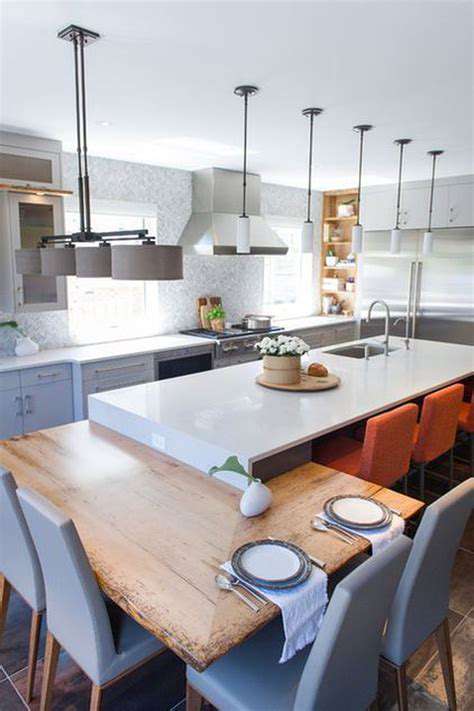
When upsizing, consider how each room will be used and what furniture is necessary. Oversized furniture can overwhelm a room, while too little can make it feel empty and unwelcoming. Ideally, each piece should serve a purpose and enhance connectivity between spaces.
In practice, one effective strategy is the use of furniture arrangement to define spaces without erecting physical barriers. For instance, using rugs to separate a living area from a dining area can create distinct environments while maintaining a harmonious flow.
Elements of Design that Enhance Energy Flow
Incorporating the five elements of Feng Shui: wood, fire, earth, metal, and water into your design can significantly enhance energy flow. For instance, wood elements can be introduced through potted plants or wooden furniture, creating life and vitality, while water elements, symbolized through fountains or aquariums, can promote prosperity and abundance.
Colors also play a vital role in this balancing act. Warm colors like red and orange can stimulate energy, while cooler tones like blue and green promote calmness. A balanced palette throughout your home can strengthen the overall energy and mood, creating a cohesive environment.
Common Mistakes to Avoid in Your Layout
When considering a Feng Shui layout, it's easy to fall into common traps that can impede the intended energy flow. One prevalent mistake is overcrowding spaces with furniture, which can cause disruptions. For example, having too many chairs around a dining table can make it difficult for energy to circulate freely.
Another frequent oversight is positioning furniture in a way that blocks pathways or doorways. It’s essential to ensure that each room allows easy movement, promoting comfort and efficiency in daily life. The ideal layout encourages smooth transitions from room to room, supporting a seamless flow of energy.
Finally, neglecting the importance of natural light can lead to dull and lifeless spaces. Maximizing light sources, whether natural or artificial, is crucial in boosting energy levels, maintaining a positive atmosphere throughout the home.
Practical Tips for Implementing Your Layout
Implementing an effective Feng Shui layout can seem daunting. Start small by focusing on one room at a time. Assess each space and make adjustments as needed, prioritizing areas that feel cluttered or uncomfortable. Utilize storage solutions to simplify your living space, ensuring that every item has a designated place.
Next, consider the flow of movement. Arrange your furniture to create clear pathways, which not only makes the space more functional but also encourages positive energy to move freely. Make it a point to check your layout regularly, particularly after significant life changes like upsizing, to ensure continued harmony.
Lastly, pay attention to personal intuition. Trusting your instincts about how a space feels will guide you in making successful adjustments. After all, your living space is a reflection of you, and a layout that resonates personally will always enhance the intended energy flow.
Color Palette: Choosing the Right Hues
Understanding Color Psychology in Feng Shui
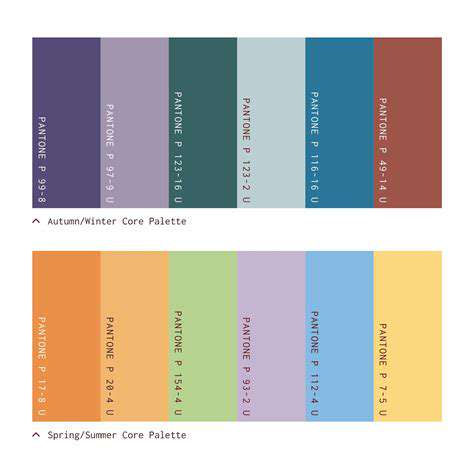
Color psychology plays a crucial role in Feng Shui, directly influencing the energy and mood of your living space. When selecting a color palette, it is essential to consider how different hues resonate with specific emotions and energies. For example, warm colors like red and orange can evoke feelings of excitement and passion, making them suitable for social spaces. Conversely, cooler tones such as blue and green are often linked to tranquility and relaxation, ideal for bedrooms or meditation areas.
Research shows that color can significantly impact our cognitive function and behavior. For instance, a study conducted by the University of British Columbia found that red enhances performance on detail-oriented tasks, while blue encourages creativity. Thus, by strategically choosing colors, you can create environments that boost productivity and emotional well-being.
Tips for Creating a Balanced Color Palette
- Begin with a neutral base to provide a cohesive backdrop.
- Incorporate accent colors in smaller spaces for visual interest.
- Consider the five elements of Feng Shui when selecting colors.
Creating a balanced color palette in your home requires careful thought and consideration. Starting with a neutral base—such as whites, grays, or beiges—can unify a space while allowing accent colors to shine. From there, you can add pops of color that resonate with your intention. For instance, if you aim to foster a calming environment, introducing soft greens or blues as accents can effectively complement the neutral tones.
Additionally, it is important to incorporate the five elements of Feng Shui—wood, fire, earth, metal, and water—into your color choices. For example, using greens and browns can reflect the wood element, while reds and oranges correspond with fire. Ultimately, this thoughtful integration will ensure that the colors you choose not only align with your personal style but also enhance the energy flow throughout your home.
Incorporating Natural Elements for Vitality
Understanding the Role of Natural Elements
Natural elements are fundamental to the practice of Feng Shui, as they symbolize the enduring connections between our environment and our well-being. Incorporating elements like wood, water, earth, fire, and metal in your living spaces fosters balance and harmony, which can lead to improved vitality. Each of these elements has specific attributes that can influence energy flow, and understanding their characteristics is key to their effective integration in both garden and indoor settings.
For instance, wood represents growth and vitality. By incorporating plants or wooden furniture, you can invite positive energy that enhances life force and productivity. Water, denoting abundance and calm, can be included through fountains, aquariums, or even colors that represent water. The strategic combination of these elements, based on the Bagua map, optimizes energy flow throughout your space.
Choosing Appropriate Materials
The choice of materials in your environment is critical in enhancing the natural elements' energy. Natural wood, stone, and metals can significantly affect the overall harmony of a space. For instance, using sustainably sourced wood not only accentuates the element of wood but also aligns with eco-friendly practices that many people value today. Eco-conscious choices lead to a more peaceful mindset and invigorated spirit.
Moreover, incorporating stone can provide stability and grounding energy. Consider using materials such as granite for countertops or slate for flooring to establish a firm and secure atmosphere. Metal, as an element, can be introduced through decorative items like polished brass or steel, enhancing productivity and clarity. The right materials help express the qualities of each natural element effectively.
Strategic Placement of Plants
Plants are a pivotal aspect of feng shui, serving as natural air purifiers and vitality boosters. Strategically placing plants near windows allows them to thrive while inviting positive chi into your home. Bamboo, for example, is believed to bring prosperity and balance, making it an excellent choice. Positioning your plants according to the Bagua map can magnify their beneficial effects, with specific areas corresponding to various life aspects like health, wealth, or relationships.
Consider grouping plants with varied heights and leaf shapes for a more dynamic appeal. Avoid placing plants with sharp leaves, as they can create aggressive energy that disrupts the tranquility of your space. Incorporating natural flowers can also uplift mood, adding color and vitality to otherwise neutral environments. A well-maintained plant collection signals a vibrant, lively atmosphere.
Designing Water Features for a Tranquil Atmosphere
In feng shui, water symbolizes abundance and prosperity; thus, careful incorporation of water features can dramatically enhance the energy of your space. A small indoor fountain or a reflective pool in your garden can create a soothing ambiance that promotes relaxation and enhances motivation. When selecting water features, ensure they are well-maintained to avoid stagnant energy formation and to promote a constant flow of positive chi.
The placement of these water elements is equally crucial. Ideally, they should be located in the shallow corners of your property or rooms, inviting wealth and harmony into both your financial and personal life. The consistent sound of flowing water not only boosts vitality but also masks unwanted noise, creating a peaceful atmosphere conducive to productivity and relaxation.
Illuminating with Natural Light
Natural light is an essential component of vitality in any feng shui-friendly space. It energizes the area and fosters a connection to the outside environment. Incorporating large windows or skylights can invite an abundance of natural light, reducing the need for artificial sources and enhancing both mood and productivity. Positioning mirrors strategically can reflect light deeper into the space, elevating the energy even further.
In terms of color, choose décor that reflects soft, natural tones to complement the light effectively. Earthy hues can create a warm atmosphere, while blues and greens can evoke a serene feeling. Balancing the balance of natural light throughout the home impacts not only the aesthetic but also the emotional resonance of the residents, making it vital for holistic wellness.
Enhancing Outdoor Spaces with Natural Features
Outdoor spaces also play a significant role in feng shui and can be optimized using natural features. Creating zones with diverse elements like gardens, rocks, and native plants can enhance your connection with nature, fostering a sense of balance and tranquility. If space permits, consider having a small herb garden as it serves practical purposes while enhancing the vitality of your cooking and dining areas.
Pathways defined by natural stones or gravel can guide energy flow through your outdoor area, promoting accessibility and enjoyment. Additionally, seating areas surrounded by natural features like trees or shrubs provide private retreats that encourage relaxation and rejuvenation. Remember, the goal is to create environments that capture the essence of nature, promoting peace, balance, and vitality in all aspects of life.
Intention Setting: The Power of Purposeful Energy
Understanding the Importance of Intention Setting
Intention setting is a foundational aspect of achieving clarity in your goals. It's not merely about stating your desires loud enough; it’s about embedding them in your daily life with purpose. This focused energy can significantly impact our actions, leading us to make decisions aligned with our larger life vision. When we establish intentions that resonate deeply with us, we naturally attract opportunities that match those goals.
Research has shown that when individuals actively engage in setting clear intentions, they report higher levels of satisfaction and achievement in their endeavors. Whether it is through mindfulness practices or journaling, that initial step is crucial.
Practical Steps in Setting Intentions
- Identify key areas in your life where you want to expand.
- Write down your intentions clearly.
- Visualize success and the feelings associated with it.
- Regularly review and adjust your intentions as needed.
To set intentions successfully, begin by recognizing specific areas you want to enhance in your life. This could be related to your career choices, relationships, or even personal growth. Once identified, it’s essential to write your intentions down clearly to solidify your commitment and create accountability.
Visualization plays a role in reinforcing these intentions. By imagining what achieving your goals feels like, you create a powerful mental image that can guide your actions.
The Role of Feng Shui in Supporting Intention
Feng Shui is often associated with arranging physical spaces, but it also encompasses the energy flow surrounding us. When aligned with your intentions, the principles of Feng Shui can help manifest those desires into reality. For instance, creating a dedicated space where your goals are visible can serve as a constant reminder of what you’re working towards.
A practical application might involve decluttering your workspace. Research suggests that clutter can create mental blockages. Removing unnecessary items not only enhances the physical environment but also creates a clearer space for effective intention setting.
The Science Behind Intentions and Reality
Numerous studies in psychology substantiate the idea that intention setting can alter one's reality. According to a study published in the Journal of Experimental Psychology, individuals who practiced intention setting reported a significant increase in both motivation and productivity. When our minds are aligned with our goals, we become more attuned to opportunities that arise, effectively changing the trajectory of our actions.
This closure creates a feedback loop; the more we focus on our goals, the more we encounter situations and resources that help achieve them, reinforcing the cycle positively.
Maintaining Commitment to Your Intentions
Another critical aspect is maintaining a consistent commitment to your intentions. It's easy to set intentions but much harder to stay on track, especially when faced with challenges. One useful method is to reflect regularly on your progress and adjust your intentions according to any new insights. This accountability fosters growth and keeps you engaged with your objectives.
Consider sharing your intentions with a trusted friend or mentor, who can offer support and encouragement. Engaging in discussion about your aspirations not only solidifies your commitment but also creates an opportunity for valuable feedback.
Read more about