Practical Plant Placement Tips for Your Indoor Garden
When arranging your indoor garden, it’s helpful to start with a basic layout before integrating plants. Visualize the flow of energy, and think about the areas that feel stagnant or overly cluttered. A practical tip is to group plants of similar care needs together, which simplifies maintenance and enhances aesthetic appeal. For example, placing low-light plants like snake plants and pothos in dimmer corners can help them thrive without the competition of sun-loving varieties.
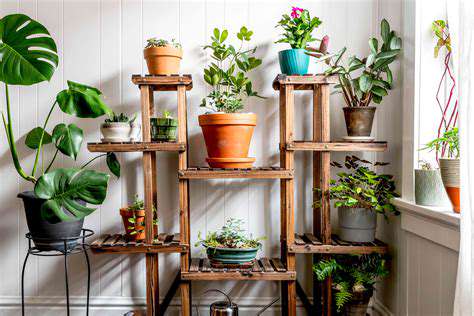
Another effective method is the use of plant stands or shelves to create layers. By elevating some plants, you not only add visual interest but also maximize light exposure for all your greenery. Studies from agricultural and environmental research institutions show that optimal light exposure is critical for plant health and growth. Hence, experimenting with height can significantly influence the vibrancy of your indoor garden.
Finally, remember to change up your arrangements periodically. Adjusting your plants' positions every few months can keep the energy fresh and invigorate your space. Much like a home refresh, rotating plants can help rejuvenate the environment, maintaining that desired balance in your indoor ecosystem. This simple practice can transform a stagnant setup into a lively and dynamic indoor garden.
Enhancing Air Quality and Well-Being

Benefits of Indoor Plants in Enhancing Air Quality
Indoor plants play a crucial role in improving indoor air quality, primarily through their ability to absorb toxins. According to a study published by NASA, plants such as peace lilies and spider plants can remove harmful pollutants like formaldehyde and benzene from the air. By incorporating these plants into your indoor garden, you are actively participating in a natural air purification process.
Moreover, research has shown that plants also contribute to increased humidity levels, which can alleviate respiratory problems and dry skin. In fact, maintaining a humidity level of 40-60% with the help of indoor plants can support overall health. Thus, not only do they enhance aesthetics, but the inclusion of such greenery can also reinforce a healthier living environment.
Feng Shui Principles that Support Well-Being
Integrating Feng Shui into your indoor garden can significantly enhance the energy flow within your home. Starting with the proper placement of plants is essential; for instance, placing them in the East or Southeast areas of your home can attract positive energy, or “Chi,” and promote vitality. This is particularly beneficial in creating a balanced atmosphere that allows for tranquility and focus.
Additionally, Feng Shui suggests selecting specific plants based on their shapes and colors to enhance different aspects of life, such as career, relationships, and health. For example, round-leaved plants like jade symbolize prosperity, while vibrant flowers promote joy and excitement. Following these principles allows enthusiasts to create a harmonious environment while cultivating their gardens.
Personal Recommendations for Year-Round Indoor Gardens
- Choose a mix of both flowering and foliage plants for visual interest.
- Ensure adequate lighting, preferably natural light, to support growth.
- Regularly monitor moisture levels to avoid over- or under-watering.
When designing your indoor garden, consider a variety of plants that can thrive year-round. For example, herbs like basil and mint can be both ornamental and practical, providing fresh flavors for your kitchen while enhancing air quality. Incorporating such elements makes the garden not just a visual retreat but also a functional space.
Furthermore, engaging in the gardening process can be quite therapeutic. It allows you to unwind from the stresses of daily life and reconnect with nature. For those new to gardening, starting with low-maintenance plants such as succulents can build confidence and encourage further exploration in plant care.
Seasonal Care and Maintenance in Indoor Gardens
Adapting Watering Practices Throughout the Seasons
Watering is vital to maintaining indoor gardens year-round, but the frequency and amount need to adjust with the changing seasons. In the warmer months, plants generally require more moisture due to increased evaporation rates and active growth. A study by the University of Connecticut suggests monitoring soil moisture at least once a week during this period. This can involve sticking your finger a couple of inches into the soil to assess dampness.
In contrast, fall and winter months tend to bring reduced light and cooler temperatures, significantly slowing plant growth. Consequently, many plants need less water during this time. Overwatering can lead to root rot, particularly in houseplants like succulents and cacti that thrive on dryness. Adjusting your watering schedule in response to temperature changes is essential for optimal care.
Season-Specific Pest Management Strategies
It’s crucial to implement Effective Pest Management strategies tailored for each season to protect indoor plants. In the spring and summer, aphids and spider mites may emerge as temperatures rise. One effective treatment is introducing natural predators, such as ladybugs, which can help keep these populations in check. Alternatively, applying a gentle insecticidal soap can be useful, ensuring it’s safe for indoor use.
As the colder months arrive, pests like mealybugs and scale can become problematic in warmer indoor spaces. Regularly inspecting your plants for early signs of infestations can prevent a small problem from becoming a larger concern. Keeping an eye out for unusual spots, leaves that appear sticky, or a fuzzy texture are indications that pests may be present. Early interventions can save time and resources in the long run.
Optimizing Light Conditions for Seasonal Changes
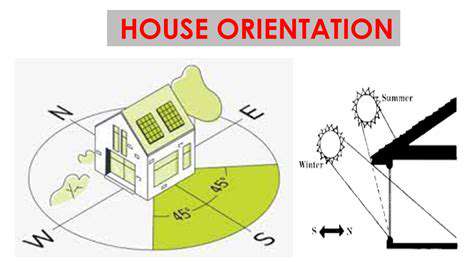
Light is one of the most critical elements for indoor plants, and seasonal changes drastically affect its availability. During winter, the sun's angle shifts, potentially reducing light exposure significantly. Many indoor gardeners opt to reposition their plants closer to windows or rotate them periodically to ensure even light distribution. Research from the American Society of Horticultural Science suggests that plants receiving consistent, bright light show improved growth and resilience.
For those who may not have enough natural light during certain seasons, investing in grow lights is an alternative worth considering. These lights can extend the duration of light exposure and mimic the ideal conditions for growth. Depending on the plant species, a proper light spectrum can enhance photosynthesis and vigor during those drearier months when sunlight is scarce.
Read more about