Feng Shui for Bagua Shapes: Symbolism in Design
Symbolism of Shapes in Feng Shui
Shapes hold significant symbolism in Feng Shui and can impact the flow of energy within a space. For instance, rectangles and squares represent stability and groundedness, often associated with the earth element; these shapes are ideal for establishing a sense of security in bedrooms or offices. On the other hand, rounded shapes typically promote openness and fluidity, fostering a welcoming atmosphere.
Employing shapes skillfully can also influence mood and behavior. For example, integrating circular furniture in social areas can lead to more harmonious interactions. According to research conducted by the American Journal of Psychology, spaces designed with intent toward shape orientation significantly affect occupants' emotional well-being and productivity.
Integrating Colors with Bagua Shapes
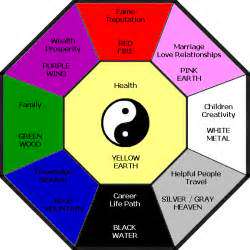
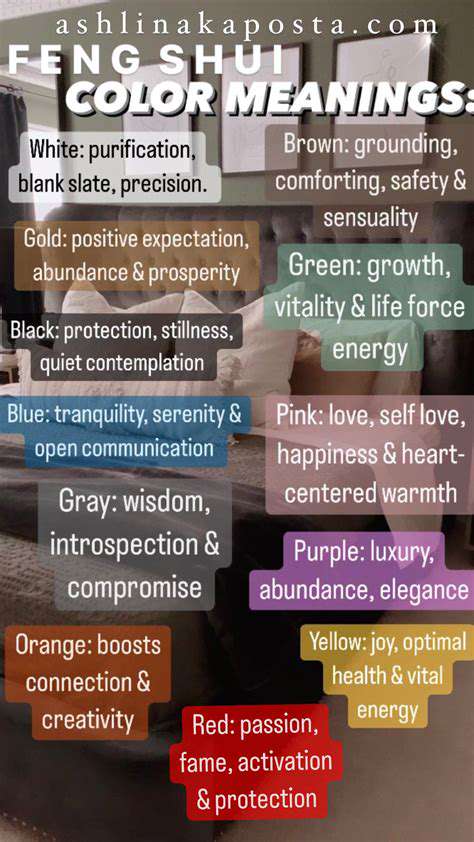
Colors play a vital role in Feng Shui, complementing the use of shapes to enhance specific areas of the Bagua map. Each Bagua section correlates to a particular color that embodies its energy. For example, reds and pinks are linked to the love and relationships area, while blues and blacks emphasize wealth and career. This correlation suggests that using the right colors can amplify the intended energy.
By selecting colors that align with the Bagua shapes, one can create a cohesive and intentional atmosphere. If your career area is represented by a solid square, consider using dark blues or blacks to support focus and professionalism. It’s often recommended to experiment with various color combinations to find what feels energetically aligned for your specific environment.
Practical Steps to Implement Feng Shui Techniques
Implementing Feng Shui Techniques can be quite straightforward. Begin by assessing your space using a Bagua map to identify which areas need attention. Once you pinpoint key sections, start with decluttering: removing unnecessary items can dramatically improve the flow of energy. When a space is clear, it allows for new possibilities to emerge.
As you arrange your space, prioritize furniture placements that encourage positive energy circulation. For instance, position your desk facing the entrance to your room or office to symbolize control over your career direction. Simple adjustments can align with Feng Shui principles, leading to noticeable improvements in both the environment and personal well-being.
Common Mistakes to Avoid in Feng Shui
Many individuals make common mistakes when starting with Feng Shui, often resulting from misunderstandings of its principles. One prevalent error is overcrowding spaces, which can stifle energy flow. Instead, allow for open areas to enable Qi to circulate properly. Regular maintenance of the environment is critical; it’s essential to continually evaluate and adjust your arrangement based on changing needs.
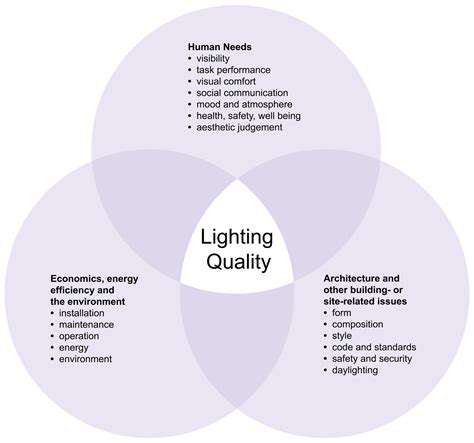
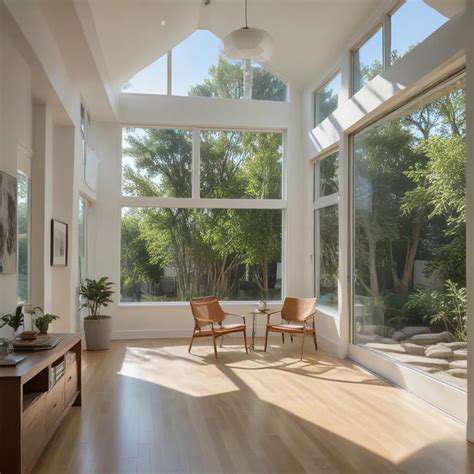
Another common pitfall is neglecting the importance of lighting. Natural light is vital in promoting a vibrant atmosphere, so incorporating mirrors can help reflect light and expand the perceived space. Additionally, overlooking maintenance can lead to stagnant energy. Make a habit of evaluating plants, furniture, and even decor, phasing out anything that detracts from the positive energy you have cultivated.
The Eight Basic Bagua Shapes and Their Symbolism
1. Understanding the Core Shapes of Bagua
The Bagua map is traditionally utilized in Feng Shui to enhance the energy flow of a space. Each of the eight basic shapes corresponds to a specific aspect of life, offering insights into personal growth and environmental harmony. For example, the square represents stability, while the trapezoid signifies creativity. Through examining these shapes, one can identify which areas of life they may want to focus on enhancing.
Each shape in the Bagua carries unique energies and influences that can affect not only the space but also the people residing within it. Aligning one's decor with these shapes can help create a balanced environment. Therefore, understanding these fundamental forms is vital for anyone interested in applying Feng Shui principles practically.
2. The Symbolism of the Circle: Unity and Wholeness
The circle, often regarded as a universal symbol of unity and wholeness, holds significant meaning in the Bagua shapes. In Feng Shui, incorporating circular elements into home design can promote a sense of connection and completeness. This aspect reflects in how energy flows smoothly, enhancing both interpersonal relationships and self-awareness.
Research indicates that spaces designed with rounded decor often encourage collaboration and open communication among inhabitants. For instance, a circular dining table can foster dialogue during meals compared to a rectangular one. Thus, considering circular shapes in home design can serve as an intentional strategy to cultivate harmony in relationships.
3. The Triangle: Dynamic Energy and Progress
The triangle is symbolic of aspiration and progression. Its pointed shape directs energy upward, reflecting ambition and goal-setting. In many Feng Shui implementations, triangles are used to promote forward momentum and personal growth. In spaces designed for work or study, incorporating triangular elements can indicate a space conducive to developing new ideas.
Although triangles can inspire action, it is essential to balance their energy with more stable shapes like squares. An overemphasis on triangles may create a chaotic environment, making it crucial to find a harmonious equilibrium within design choices. Adding triangular art pieces or choose furniture with triangular accents can infuse spaces with vitality without overwhelming calmness.
In essence, the triangle can serve as a powerful tool in Feng Shui practices to symbolize growth while ensuring it is complemented by the stability provided through other shapes in your design strategy.
4. Rectangles: Grounding and Practicality in Design
Rectangles are foundational shapes in the Bagua, often associated with practicality, stability, and reliability. These shapes tend to create defined spaces that promote structure and organization. For home office designs or areas focused on productivity, using rectangular shapes can foster an environment conducive to completing tasks efficiently.
In terms of Feng Shui, an excess of rectangles can sometimes lead to rigidity, thereby stifling creativity. It is advisable to intersperse these shapes with more organic forms, allowing for a balanced and dynamic energy flow. Furthermore, selecting rectangular furniture, such as desks and cabinets, can ensure a tidy aesthetic, reinforcing focus and minimizing distraction.
Incorporating Bagua Shapes into Interior Design
Understanding Bagua Shapes
Bagua shapes are geometric forms used in Feng Shui that symbolize specific life areas. Each shape corresponds to different aspects, such as health, relationships, career, and personal growth. The octagon is particularly significant, representing completeness and harmony, while squares convey stability and grounding. This relationship between form and function highlights the importance of shape in creating balanced environments.
Research shows that the visual attributes of shapes greatly impact human psychology and behavior. For instance, circular shapes tend to evoke feelings of warmth and inclusiveness, while angular shapes may suggest stability or rigidity. Understanding these attributes can inform design choices that promote emotional well-being within a space.
Applying Bagua Shapes in Home Design
Integrating Bagua shapes into home design can enhance not only aesthetic appeal but also energetic flow. Homeowners often place octagons in entryways to invite good fortune and energy. Meanwhile, squares may be utilized in living spaces to instill feelings of comfort and safety. Placement is key; these shapes must be incorporated thoughtfully to align with the designated life area.
Choosing Colors for Bagua Shapes
The colors used alongside Bagua shapes also play a vital role in Feng Shui. Each shape can be associated with specific colors that enhance its symbolism. For example, the octagon can be paired with green to promote growth, while squares benefit from earth tones to reinforce stability. Leveraging color theory helps create a cohesive and supportive environment that resonates with the intended purpose of each area.
Furniture Arrangement with Bagua Shapes
Using Bagua shapes in furniture arrangement is essential for maximizing energy flow. For instance, arranging furniture in circular patterns can foster communication and create a welcoming atmosphere. In contrast, linear arrangements can promote focus and order. This intentional spacing not only enhances functionality but also aligns with the overall Feng Shui principles of harmony and balance.
Consider conducting a functional analysis of each room before arranging furniture. Identifying the primary activities within a space can guide the incorporation of appropriate Bagua shapes, ensuring they serve both aesthetic and practical purposes.
Incorporating Bagua Shapes Outdoors
Outdoor spaces are equally important when it comes to Bagua shapes. Gardens or patios can incorporate octagonal designs in pathways or seating to symbolize unity and connection to nature. Water features in rounded shapes can also promote tranquility and prosperity as part of an outdoor feng shui layout.
Common Mistakes in Bagua Integration
While incorporating Bagua shapes can enhance design, many make common mistakes. A frequent error is neglecting spatial relationships; each shape must have room to breathe and resonate within the space. Overcrowding an area with multiple shapes can dilute their effect instead of enhancing it. Simplifying the design and allowing each shape to stand out can boost its positive attributes.
Moreover, failing to research the specific implications of certain shapes for individual needs is another pitfall. Not all shapes will have the same effect for everyone; understanding personal goals and lifestyle can yield better design choices.
Future Trends in Bagua Design
As the wellness movement gains traction, the integration of Bagua shapes into design is evolving, with an emphasis on mental and emotional health. Designers are increasingly considering how spaces influence mood and behavior, leveraging Bagua principles to create holistic environments. Innovations in sustainable materials and eco-friendly designs reflect a growing commitment to harmony with nature.
The trend toward customizable designs, where individuals can select Bagua shapes that resonate personally, is gaining popularity. This empowers homeowners to curate spaces that reflect their unique identities while promoting balance through each shape’s symbolic meanings.
Color and Material Considerations

Choosing the Right Colors for Your Bagua Area
When selecting colors for different Bagua areas, it's essential to align them with the specific intentions of the zone. For instance, the Family area is best served with greens and browns, representing growth and stability. Similarly, the Knowledge area benefits from blues and purples, which promote calm and wisdom.
Research indicates that colors can influence emotional health and productivity. A study published in the Journal of Environmental Psychology showed that warm colors like orange can energize individuals, while cooler shades can facilitate concentration. Thus, understanding the color properties is crucial when designing spaces according to Feng Shui principles.
Material Choices That Enhance Energy Flow
- Natural materials promotes balance and harmony.
- Metal elements can enhance clarity and focus.
- Wood is linked to growth and vitality.
The right materials significantly impact the energy flow in your space. Natural elements like wood and stone can enhance the overall tranquility of an area, aligning with the natural world. Using organic materials also facilitates better air quality, which is vital for maintaining a harmonious environment.
Combining Colors and Materials for Enhanced Symbolism
Combining colors with compatible materials can elevate the symbolism in your design. For example, pairing dark wood with green cushions in the Family area creates a strong sense of stability and growth. Additionally, implementing metallic accents with blue shades in the Knowledge sector enhances clarity and focus.
In Feng Shui, every element has a purpose. Colors and materials should not only be visually appealing but also serve to promote specific energies. Ensuring that the chosen combinations resonate with the intended purpose can greatly enhance the environment.
Practical Tips for Implementing Color and Material in Your Design
Start small by integrating color and material into accessories and furnishings. For instance, if you’re focusing on the Wealth area, consider adding gold or rich violet decor items that resonate with prosperity. This strategy allows for a gradual introduction of Feng Shui principles without overwhelming the space.
Don’t forget to consider the lighting of your space. Well-lit areas can intensify the chosen colors, making them more vibrant and effective. Remember that modifying natural light through curtains or additional light sources can further enhance the atmosphere, allowing the colors and materials to truly shine.
Read more about Feng Shui for Bagua Shapes: Symbolism in Design