Feng Shui for Family Corner: Harmonizing Bonds
Incorporating the right elements is fundamental in enhancing the Feng Shui of your Family corner. Colors play a crucial role; for instance, soft blues and earth tones are known to promote calmness and stability. Choosing rounded shapes and natural materials can also create a harmonious flow. Integrating plants into the decor can further enhance the area, as they symbolize growth and vitality.
Decorating Tips for Strengthening Family Bonds
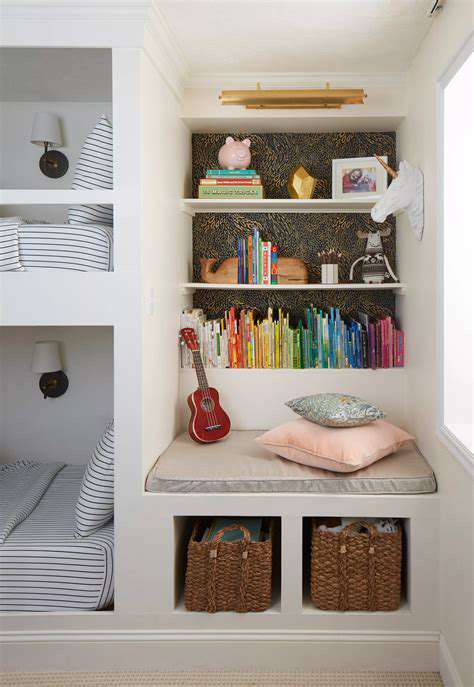
When it comes to decorating the family corner, personal touches matter. Photos of family gatherings, paintings of serene landscapes, or even handmade art can foster a sense of belonging and love. Displaying these personal items not only beautifies the space but also serves as a daily reminder of family ties.
In addition to visual decor, consider the use of textiles. Cozy blankets and comfortable seating arrangements can encourage gatherings and shared moments. These small, thoughtful details can significantly enhance the nurturing atmosphere necessary for strengthening family bonds.
The Role of Lighting in Family Harmony
Lighting plays a pivotal role in setting the mood of the family corner. Natural light is ideal since it energizes the space and improves the overall ambiance. If natural light is lacking, warm artificial lighting can also create a welcoming environment. Adjusting the brightness to suit various family activities—like playing games or having discussions—can effectively enhance interaction.
For instance, using lamps with soft white bulbs provides a soothing atmosphere during evening family time, while brighter lighting can be useful during activities requiring focus, such as homework sessions or craft projects.
Maintaining the Balance of the Family Corner
Regular maintenance of the family corner is vital for preserving its positive energy. It’s advisable to declutter the space frequently, as clutter can block the flow of energy and lead to misunderstandings among family members. Reassessing the arrangements and elements every few months can ensure the space remains harmonious. Cleaning up and refreshing decorative items can keep the energy vibrant and inviting.
Furthermore, engaging family members in the upkeep of this space fosters a sense of ownership and responsibility. It encourages everyone to contribute to the nurturing of family dynamics, strengthening their bonds while ensuring the corner continues to reflect the family’s unity.
Seeking Professional Guidance in Feng Shui
For those unsure about how to approach the family corner, consulting with a Feng Shui expert can be beneficial. Professionals can provide tailored advice that aligns with your family’s unique energy and circumstances. They may offer insights into the best practices for optimizing your specific layout and the placement of furniture and plants. Such expert input can greatly enhance the effectiveness of your Feng Shui efforts.
Moreover, they can guide families through periodic assessments of their space to ensure that it continues to foster positive relationships and emotional health. Engaging with an expert can empower families to make informed decisions about creating and maintaining their harmonious family corner.
Clutter Control for Positive Energy Flow
Understanding Clutter and Its Impact on Energy Flow
Clutter can obstruct the natural flow of energy in our living spaces. In the realm of Feng Shui, clutter is seen as stagnant energy that disrupts harmony and balance. Research in environmental psychology suggests that clutter can lead to increased stress and decreased productivity, which can impact family dynamics.
To achieve a flow of positive energy, it's essential to recognize areas in your home where clutter accumulates. This often includes corners, under beds, or spaces left unused. By consciously decluttering these areas, you open pathways for nurturing relationships and positive interactions within the family.
Practical Steps to Declutter
Start by categorizing your belongings into 'keep,' 'donate,' and 'discard' piles. This method not only simplifies the process but also helps to clear your mind. Stick to a rule where items that haven’t been used in the last year should be seriously considered for removal. One effective strategy is the one in, one out policy, where each time you bring in a new item, you remove an old one.
Consider utilizing storage solutions that enhance organization, like bins or baskets, which can also match your home’s design. Clear containers, for instance, allow visibility and easy access, reducing the chance of collecting more unneeded items.
Areas to Focus Your Decluttering Efforts
The family corner in your home is especially vital to harmony because it represents familial bonds. Look at spaces where family members gather, such as living rooms or dining areas, and ensure they are free of unnecessary items. Additionally, bedrooms should be sanctuaries, not storage spaces, so keep them clutter-free.
Don't overlook outdoor areas that might be cluttered with tools or children's toys. A messy yard can reflect chaos in family relationships. Clean outdoor spaces can create a calming environment for gatherings or conversations.
Creating a Declutter Maintenance Routine
Establishing a regular decluttering routine can prevent clutter from taking over your space. Set aside 15 minutes weekly to assess areas that may need tidying up. By making this a family activity, members can bond while contributing to a harmonious home environment.
Seasonal decluttering can also be effective. Spring and fall are ideal times to re-evaluate belongings and clear out items that no longer serve a purpose. Integrating this practice as a family can instill values of appreciation and mindfulness regarding possessions.
Mindfulness and Emotional Attachment to Items
A significant challenge in decluttering is emotional attachment to items. It’s important to recognize that objects can hold memories, but the memories themselves don’t reside in the items. Consider taking a picture of sentimental belongings before letting them go, which can preserve the memory while still facilitating a decluttered space.
Engage family members in discussions about sentimental items. It can be helpful to understand why an item holds value and to collectively decide its fate. Such practices encourage communication and strengthen bonds as you share stories and emotions linked to specific belongings.
Maximizing Positive Energy Flow Through Design
After decluttering, consider the arrangement of furniture and decor. In Feng Shui, the layout of a space can either promote or inhibit positive energy flow. Position seating areas to encourage conversation and connection. Open pathways facilitate movement, allowing energy to circulate freely.
Incorporating elements like plants can enhance energy while serving as natural decor. Greenery is particularly beneficial as it symbolizes growth and vitality, which can further support family unity and happiness.
The Long-Term Benefits of Clutter Control
Maintaining a clutter-free environment can contribute to improved mental clarity and stronger family relationships. Studies indicate that well-organized spaces can lead to increased satisfaction and well-being among family members. When energy flows freely, families often report feeling more connected and supportive of one another.
Lastly, a conscious effort toward maintaining decluttered spaces lays the groundwork for a positive home environment where everyone feels valued and understood. Ultimately, this practice can transform not only your living space but also the dynamics within your family.
Color and Decor: Creating a Warm Atmosphere

Understanding Color Psychology in Decor
Color plays a critical role in influencing mood and behavior within a home. Numerous studies have shown that warm colors, like reds and oranges, can elicit feelings of warmth and comfort, while cool colors, such as blues and greens, often promote calmness and relaxation. Selecting the right colors can significantly enhance the overall atmosphere of a space.
To create a warm atmosphere, consider incorporating earthy tones such as soft browns, beiges, and muted yellows. These colors work well together in family spaces, fostering a sense of unity and belonging. It's essential to remember that the colors you choose can reflect the family’s values and create a positive emotional impact, supporting harmonious relationships among family members.
Choosing Decor Elements that Promote Harmony
- Prioritize natural materials and textures for a cozy feel.
- Incorporate elements that hold sentimental value for family members.
- Utilize plants to purify air and enhance energy flow.
- Choose furniture arrangements that facilitate conversation.
- Integrate art that resonates with family history or shared interests.
Incorporating decor elements that are meaningful to your family can nurture deeper connections. For instance, displaying family photos or artworks made by children can bring a sense of history and pride into your home. This personalization not only enhances the aesthetic appeal but also cultivates an environment where everyone feels valued and appreciated.
Additionally, choosing furniture that invites interaction is vital. Arranging seating in a circular or semi-circular manner can facilitate discussions and bonding, ensuring family members feel more inclined to spend quality time together. This layout not only improves communication but also fosters a sense of collective belonging, which is at the heart of a harmonious family environment.
The Impact of Lighting on Atmosphere
Lighting is another crucial element that can greatly affect the ambiance of a space. Warm, soft lighting can create a cozy, inviting atmosphere, perfect for family gatherings. On the other hand, harsh, bright lights can create a sterile environment that may hinder relaxation and bonding. Consider installing dimmers to control the intensity of the light throughout the day.
Another tip is to incorporate various light sources, such as table lamps, floor lamps, and wall sconces. Layering your lighting not only enhances the aesthetic but allows flexibility in adjusting the mood of the room according to the occasion, whether it's a family dinner or a quiet evening at home.
Incorporating Natural Elements
Understanding Natural Elements in Feng Shui
Natural elements in Feng Shui—wood, fire, earth, metal, and water—are pivotal for creating harmony at home. Each element corresponds to specific energies and emotions, fostering a conducive environment for family interactions. For instance, the wood element symbolizes growth and vitality, making it essential for family corners where nurturing relationships are a priority.
Research suggests that incorporating these elements can significantly impact one's mood and well-being. A study published in the Journal of Environmental Psychology reveals that exposure to natural elements lowers stress levels. Thus, using plants or wood artifacts enhances family dynamics by promoting peace and unity in shared spaces.
Choosing Appropriate Natural Elements
Selecting the right natural elements for your family's space is crucial. For example, using green plants can invigorate your family corner, promoting feelings of vitality and connection. Some popular choices include peace lilies or fiddle leaf figs, both of which are relatively easy to care for while adding a touch of nature indoors.
Moreover, integrating materials such as bamboo or reclaimed wood can create warmth and stability. It’s not just about aesthetics; these elements have a grounding effect, encouraging members of the household to feel secure and supported in fostering their relationships.
Arranging Elements for Maximum Impact
The arrangement of natural elements can dictate the energy flow within your family corner. Positioning plants near natural light sources, for example, enhances their vitality and energizes the space. Consider creating a dedicated area—perhaps a table adorned with ceramic pots or a small indoor water feature to symbolize fluidity and harmony.
Additionally, ensuring that elements are well-maintained is crucial as neglected plants or elements can foster stagnation and imbalance. Regular care not only keeps your environment looking its best but also symbolizes the nurturing aspect of family relationships, reinforcing the message that care is essential for growth.
Incorporating Color and Texture
Color plays a significant role in the impact of natural elements. Greens and browns can anchor the space, promoting feelings of stability and connection. Light, soft colors like pastel greens or sky blues can add a calming influence that invites open communication among family members. By thoughtfully integrating these colors, you enhance both visual appeal and emotional connection.
Texture is equally important—consider incorporating elements that offer varied tactile experiences. Soft fabrics, rough wooden surfaces, or smooth stones can provide sensory variety that makes the space welcoming, encouraging family members to gather and interact comfortably in their shared environment.
Utilizing Water Features for Balance
Water features, such as small indoor fountains or aquariums, can be transformative in a family corner. Water represents wealth, flow, and renewal in Feng Shui. The soothing sounds of water can create a peaceful atmosphere, which is beneficial in calming tensions during family discussions.
Moreover, studies in environmental design indicate that the presence of water can improve concentration and promote relaxation. As these features encourage mindfulness and reflection, they also foster healthier communication dynamics within family interactions.
Maintaining and Evolving Your Space
To ensure that your family corner remains effective in promoting harmony, regular updates based on seasonal changes or evolving family needs are essential. This could include swapping out plants, adjusting decor, or incorporating new elements reflective of personal journeys within the family. Keeping the space dynamic promotes a sense of growth and adaptability.
Furthermore, engaging family members in decisions on the arrangement or features can foster a collaborative spirit. Their input not only validates their presence in the space but also encourages a shared responsibility for maintaining a harmonious environment conducive to strengthening family bonds.
Engaging in Family Activities in the Space
Choosing the Right Family Activities
When selecting activities for Family Bonding, consider interests that resonate with all members. Look for options that are inclusive and captivating. For instance, you might explore board games that cater to different age groups, which not only promotes teamwork but also creates memorable interactions. Research shows that families who engage in group activities tend to have stronger relationships, as everyone feels valued and involved.
Outdoor activities can also provide a refreshing alternative. Hiking or cycling in nature not only boosts physical health but promotes mental well-being by allowing families to disconnect from technology. According to studies, regular outdoor family time can significantly enhance communication skills and reduce stress within familial relationships.
Creating a Family Activity Schedule
Establishing a regular schedule for family activities can promote consistency and anticipation among members. Consider dedicating one evening a week for family game night, for instance, where everyone can look forward to an engaging experience. Experts suggest that routine activities help create a sense of stability and belonging among family members, which is vital for children’s emotional development.
Make sure to involve everyone in the planning process. This not only empowers family members but also increases the likelihood that they will engage in the scheduled activities. By rotating the responsibility for activity selection, each member can share their preferences, ensuring a diversity of experiences that reflects the family's varied interests.
Incorporating Cultural and Educational Elements
Family activities can serve as a platform for Cultural Education. Consider organizing a themed dinner night where each family member presents a dish representative of their cultural heritage. This not only encourages culinary skills but also enhances cultural awareness and respect among family members. Educational activities can include visiting museums or historical sites, fostering a deeper understanding of history and heritage.
Studies have shown that children who are exposed to cultural diversity through family activities are more empathetic and open-minded as adults. By incorporating these elements into family time, you're not only bonding but also enriching your children's understanding of the world around them.
Add variety by including educational games that challenge critical thinking skills. Science experiments at home can be both entertaining and informative, providing a hands-on learning experience that naturalizes the learning process.
Utilizing Technology Wisely
In our tech-driven world, technology can serve as a tool for engagement rather than a distraction. Utilizing interactive applications designed for families can turn screen time into meaningful experiences. For example, digital storytelling apps can encourage family members to create narratives together, leading to deeper understanding and connection.
However, it's crucial to maintain a balance. Set specific boundaries, such as technology-free days. This encourages families to interact without digital interference, fostering authentic communication. Research shows that excessive screen time can harm familial relationships, so strive for a healthy mix that prioritizes face-to-face connections over virtual ones.
Evaluating Family Dynamics through Activities
Engaging in family activities can reveal dynamics and communication styles within the family structure. By observing how family members interact during various tasks, you can gain insights into preferences, strengths, and areas needing improvement. For instance, if one child consistently takes charge of activities, it may indicate a leadership quality that can be nurtured further.
Encourage open discussions about these experiences post-activity. Allowing space for family members to express their thoughts on what worked or needs adjustment can enhance interpersonal skills. Regular reflection on family activities helps reinforce positive behavior and strengthens bonds, ensuring that everyone feels heard and valued.
Read more about Feng Shui for Family Corner: Harmonizing Bonds