Understanding Colors That Attract Pollinators
Different colors can significantly influence the attraction of beneficial insects, such as bees and butterflies. Research indicates that bees are particularly drawn to blue and yellow hues. Flowers that exhibit these colors tend to have higher rates of pollination due to bee preferences. Understanding which colors work best can help in planning gardens and landscapes that invite these crucial insects.
In addition to blue and yellow, other colors like purple can also appeal to certain species of pollinators. This is vital for anyone interested in enhancing biodiversity in their gardens, as using varied colors will cater to a wider range of insects.
The Role of Scent in Attracting Beneficial Insects
Plants emit various fragrances that can attract beneficial insects. The scent of certain flowers, especially during their blooming phase, plays a significant role in attracting bees and other pollinators. Floral scents act as signals that lead these insects to food sources, essential for their survival and the pollination of plants. Different species of bees are attracted to different scents, enhancing the ecological function of gardens and agricultural fields.
For instance, fragrant blooms like lavender and honeysuckle are especially enticing for both honeybees and bumblebees. Implementing a variety of aromatic plants can establish a more complex and beneficial ecosystem that supports diverse insect populations.
Combining Color and Scent for Maximum Attraction
It's not just about color or scent, but how they work together to create an inviting environment for pollinators. Gardens that feature both vibrant colors and strong fragrances tend to attract more beneficial insects than those that rely solely on one aspect. For example, a mix of visually appealing and fragrant flowers can create a rich sensory experience, urging insects to visit more frequently.
Effective combinations include pairing yellow and purple flowers with strongly scented varieties like jasmine. This synergistic approach can improve pollination rates significantly, benefiting both your plants and the local insect population.
Planting Strategies for Bee-Friendly Gardens
- Choose native plants that naturally attract local pollinators.
- Incorporate a variety of colors and scents to appeal to different insect species.
- Avoid pesticides that can harm beneficial insects.
Creating a bee-friendly garden requires careful planning and selection of plant species. When designing your landscape, focus on incorporating a mix of native plants known for their attractiveness to pollinators. These plants often have evolved alongside local insect populations, ensuring a naturally harmonious relationship.
Additionally, layout plays a crucial role. Grouping plants based on their blooming cycles allows for continuous flowering, ensuring that there’s always something for pollinators to feed on. This will fortify the health of both your garden and local ecosystems.
The Science Behind Pollinator Preferences
Studies have shown that pollinators possess unique preferences when it comes to colors and scents. For instance, honeybees can discern subtle variations in color and are more likely to visit flowers with certain characteristics. It's vital to take these scientific insights into account when designing for optimal pollinator attraction.
Beyond just colors and scents, factors such as flower size, shape, and presence of nectar also play roles in facilitating visits from these beneficial insects. Ensuring a diverse range of flowers will create a more welcoming space for various species.
Maintaining a Balanced Ecosystem
Beyond just attracting beneficial insects, it's essential to sustain a balanced ecosystem in your garden. This means encouraging not only pollinators but also other beneficial species like predators that keep pest populations in check. The use of a variety of plants, flowers, and shrubbery can create habitats for these beneficial organisms.
Consider the larger picture of ecosystem health. By fostering diverse plant life and a stable environment, you promote resilience against pests and diseases, ensuring the ongoing success of your garden or agricultural enterprise.
Water Sources: Essential for Hive Health
Understanding the Importance of Water Sources
Access to clean and reliable water sources is fundamental to the health of bee colonies. Bees are primarily composed of water, which is necessary for various physiological functions. Research indicates that colonies with adequate water sources show increased foraging activity, improved brood development, and enhanced resilience to disease. In fact, a study conducted by the University of Florida found that water scarcity can lead to reduced honey production and ultimately affect the survival of the hive during challenging seasons.
Water serves multiple roles in a beehive ecosystem beyond mere hydration. For instance, bees often use water to regulate the temperature within the hive and keep the honey from fermenting. On hot days, they may even rely on water to cool the hive down through evaporative cooling techniques. Ensuring that bees have access to clean water, especially during dry periods, can significantly impact their overall productivity and health.
Strategies for Providing Water Sources in Apiaries
Implementing effective water sources near beehives involves careful planning and consideration of the surrounding environment. One effective strategy is to create shallow water dishes filled with clean, fresh water, which can be enhanced with floating objects like stones or marbles. This helps bees access the water without the risk of drowning. Regular maintenance is essential; changing the water frequently keeps it clean and attracts bees while preventing algae growth.
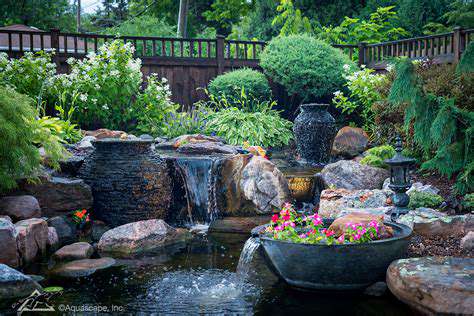
Another beneficial approach is to utilize rainwater collection systems, which can serve as a sustainable water source during dry spells. Not only does this strategy reduce reliance on municipal water supplies, but it also provides bees with natural, untreated water. Research from the Bee Conservation Society highlights that establishing ponds or small water gardens can diversify the ecosystem, attracting not only bees but also various pollinators and beneficial insects, which are essential for a thriving apiary.
Ongoing Care and Monitoring of Bee Health
Regular Health Assessments
Regular health assessments of bee colonies are imperative to sustaining their vitality. Periodic checks should include visual inspections for signs of disease, pests, and overall colony strength. For instance, the Varroa mite remains a significant threat to bee populations, especially in temperate regions, and colonies should be monitored every few weeks using appropriate sampling methods to detect these pests early. Research indicates that timely intervention can prevent significant losses and boost colony resilience.
Moreover, implementing standardized health check protocols helps beekeepers identify any discrepancies in bee behavior or hive productivity. For example, if a colony suddenly shows reduced foraging or an increase in mortality, check for potential problems such as nutritional deficits or pesticide exposure. Systematic assessments create a proactive approach to bee management.
It's also beneficial for beekeepers to maintain detailed records of these health assessments. Log the dates of inspections, the treatments used, and the outcomes observed. Detailed documentation allows beekeepers to spot trends over time and make informed decisions, optimizing hive management practices.
Nutrition and Forage Availability
Bee nutrition plays a vital role in overall health and productivity. Providing a balanced diet for bees supports their immune systems and reproductive capabilities. Beekeepers should focus on ensuring that their hives have access to a diverse range of floral resources throughout the seasons. Some plants are particularly nutritious, such as clover or wildflowers, which offer high protein content essential for brood production.
Additionally, consider supplementing bee diets during periods of scarcity, particularly in late winter or early spring when natural food sources may be limited. Products like sugar syrups or pollen patties can be beneficial, but it is essential to monitor how bees respond to these supplements to avoid potential adverse effects.
Pest and Disease Management Strategies
Effective pest and disease management strategies are crucial for maintaining bee health within each hive. Integrated Pest Management (IPM) techniques can be especially helpful, combining biological control, cultural practices, and minimal chemical intervention to keep pests at bay. This might include introducing beneficial insects, using essential oils, or employing mechanical barriers.
Regarding diseases, understanding the life cycles of common pathogens is vital. For instance, Nosema, a gut pathogen affecting honey bees, can be mitigated through thorough sanitization of hive equipment and monitoring bees for symptoms of infection. Beekeepers should stay educated on the latest research and best practices in pest management, as the science is continuously evolving with new findings that enhance beekeeping efficiency and bee survival rates.
Read more about