Contents
- Clean lines enhance order and tranquility in garden design.
- Clutter-free spaces promote better energy flow in Feng Shui.
- Symmetry contributes to visual balance and cohesion.
- Plant arrangement and geometry create organized layouts.
- Natural materials improve aesthetic appeal and sustainability.
- Water features enhance Feng Shui and attract wildlife.
- Personalized elements enrich garden aesthetics and connection.
Why Clean Lines Matter in Feng Shui

Understanding the Role of Clean Lines in Feng Shui
- Clean lines promote a sense of order and tranquility.
- The absence of clutter allows for better energy flow.
- Feng Shui emphasizes balance, which clean lines can enhance.
In the realm of Feng Shui, clean lines are paramount as they enhance the flow of energy, or chi. By eliminating unnecessary clutter and distractions from your garden design, you create an environment that feels more harmonious and balanced. This clarity not only improves aesthetics but also contributes to mental clarity and emotional well-being. Studies have shown that environments with organized layouts and clean lines can reduce stress levels significantly.
Moreover, incorporating clean lines in modern gardens can lead to better spatial arrangements that foster connection between natural elements and human activities. For instance, the use of straightforward pathways can encourage exploration and interaction with the garden's features. Thus, it is recommended to Plan your garden layout meticulously, ensuring that each line serves a purpose in guiding energy throughout the space.
Practical Tips for Implementing Clean Lines in Your Garden
To incorporate clean lines into your garden, start by evaluating the existing layout. Identify areas that may be overgrown or lack definition. Use straight paths, rectangular or square planting beds, and geometric shapes for patios to create a structured feel. You may also consider using low-maintenance materials like stone or gravel, which can add both functionality and aesthetic value.
Another effective strategy is to prioritize symmetry. Symmetrical layouts are inherently pleasing to the eye and can unify diverse garden elements. When planting, consider using plants of similar heights and shapes on either side of a pathway for visual balance. Even with modern design elements, maintaining symmetry can deliver a timeless charm to your outdoor space.
Design Elements for Achieving Clean Lines

Understanding Clean Lines in Garden Design
Clean lines in garden design are about creating a sense of order and simplicity. This principle helps to guide the eye through the landscape, creating a harmonious aesthetic. By using straight edges and geometric shapes, gardeners can enhance the feeling of tranquility, which is essential in Feng Shui. Specific elements that embody clean lines include hedges, pathways, and even water features.
Modern gardens often emphasize minimalism, which aligns closely with the idea of clean lines. Using fewer but more impactful materials can make a garden feel spacious and tidy. The use of concrete or stone pathways can help define spaces while promoting a smooth flow throughout the garden.
Incorporating Geometry in Garden Layouts
Incorporating geometric shapes in the layout can significantly enhance the overall design. Squares, rectangles, and circles can be strategically placed to create zones within the garden. Research suggests that people respond positively to structured designs, as they often induce feelings of stability and calm. The arrangement of plant beds using these shapes provides organization and visual clarity.
- Use rectangular gravel beds for a modern touch.
- Integrate circular seating areas for a relaxed vibe.
- Consider square planters to maintain uniformity.
Choosing plants that mirror these geometric patterns can further reinforce a clean design. For instance, a row of tall shrubs (rectangles) paired with round planters creates an appealing contrast while maintaining harmony.
Selecting Materials that Promote Clean Lines
The materials used in the garden significantly impact its visual clarity. Choosing concrete, stone, or metal for hardscaping elements can enhance the clean-lined aesthetic. The use of natural materials, like wood, should be kept to a minimum or treated to maintain sharp lines. For example, powder-coated metal planters or polished concrete slabs create modernity and durability.
Additionally, the finish of these materials should be smooth to promote that unobstructed look. Any textures used should be subtle and not overwhelming, allowing the clean lines to stand out without distraction.
Utilizing Plant Selection for Visual Impact
Plant selection plays a vital role in achieving clean lines. Opting for plants with structural forms, such as boxwood or ornamental grasses, can accentuate straight edges and geometric patterns within the design. These plants not only provide greenery but also define spaces, making them essential for a clean aesthetic.
- Choose low-maintenance plants that align with your vision.
- Consider the color palette—neutral and monochromatic schemes often work best.
- Incorporate height variation strategically for depth without chaos.
When planning your garden, think about how each plant contributes to the overall structure. Use large, sculptural plants as focal points while filling in with lower-growing varieties to maintain that open, airy feel conducive to Feng Shui.
Maintaining Clean Lines for Long-term Impact
Maintaining clean lines in your garden requires regular upkeep. This means pruning, edging, and refreshing pathways to prevent overgrowth and maintain that defined look. Setting a routine schedule for maintenance not only keeps your garden looking fresh but also allows you to assess and improve any areas that may have lost their clean appearance.
Consider using edging materials like metal or stone to prevent grass and weeds from encroaching on garden beds, preserving that pristine boundary. Moreover, consistent weed control and deadheading plants can further simplify the visual landscape. This level of care not only aids in aesthetics but is crucial for fostering a sense of peace and intention in your environment.
Creating Cohesion with Symmetry
Understanding Symmetrical Principles
Symmetry in design is often rooted in mathematical principles, particularly in the arrangement of elements that contributes to overall balance. In the context of Feng Shui, symmetry not only pleases the eye but also creates a harmonious flow of energy often referred to as 'chi'. Research shows that gardens designed with symmetrical layouts can enhance mental clarity and emotional well-being, promoting relaxation in outdoor spaces.
One effective way to introduce symmetry is through the use of pathways and plant beds that mirror each other on either side. For instance, using identical pairs of plants or features creates a clear unification in the design. Common choices include symmetrical placements of flowering shrubs and ornamental grasses that define spaces and also enhance aesthetic appeal.
Incorporating Elements with Balance
When creating a cohesive garden, it's essential to incorporate Balanced elements that align with not only aesthetic values but also functional purpose. Consider using stone pathways that frame garden beds symmetrically, allowing for easy movement and access while enhancing visual appeal. Native plants often work well here, as they can be selected for symmetrical placement and require less maintenance over time.
Furthermore, structures such as arbors and trellises can serve as focal points, drawing the eye and creating balance within the garden. These elements should be proportionate and in line with the surrounding plants, ensuring the overall feel remains cohesive and inviting.
Using Color and Texture Wisely
Color and texture are instrumental in achieving a symmetric yet dynamic garden landscape. By repeating colors strategically throughout the garden, you instill a feeling of unity. For instance, utilizing greenery intermixed with carefully chosen seasonal flowers can not only break up monotony but also create layers of interest. This deliberate use of color does not just promote visual balance; it can also evoke specified feelings based on color psychology.
Textures should not be overlooked as they add depth to design. Mixing smooth stones with coarse bark mulch, for example, creates a contrast that captures attention without causing jarring visual disruption. Closely observing how different textures interact can guide your choices to achieve a truly cohesive feel.
Practical Implementation Techniques
Implementing symmetry in garden design can sometimes require a strategic approach. Starting with a clear plan or blueprint, designers can ensure that their vision translates effectively. Many use software tools or garden planning apps to model their ideas virtually before committing to a physical layout. This step can help identify potential weaknesses in design or balance before the actual planting begins.
In addition, practical techniques such as measuring distances between symmetrical elements is crucial. This means regularly stepping back and evaluating your layout from multiple perspectives to guarantee the intended balance is achieved. Adapting as necessary during the installation process will yield the best outcomes, ensuring that the final result meets original design goals.
Cultivating Ongoing Maintenance Practices
Once symmetry is established within the garden, ongoing maintenance is key to preserving its cohesive appearance. This can involve regular trimming of plants to ensure they retain their shape and size, as well as seasonal planting that maintains balanced color schemes throughout the year. Keeping pathways clear of debris and regularly refreshing mulch also contributes largely to a clean, orderly presentation.
Additionally, rotation of planting not only supports ecological balance but can refresh the visual symmetry of the space. This can be coupled with seasonal assessments to evaluate what designs work best, allowing gardeners to refine their approach and promote lasting harmony right within their modern gardens.
Incorporating Natural Materials
Choosing Sustainable Wood
When selecting wood for your modern garden, opt for Sustainable Sources. Look for FSC-certified options, which guarantee environmentally friendly practices. Timber from managed forests can significantly reduce deforestation and its impact on biodiversity.
Teak, cedar, and eucalyptus are well-regarded choices. Not only do they resist pests and rot, but they also provide a beautiful aesthetic. Their natural oils enhance durability, ensuring that your garden's structures last for years while harmonizing with nature.
Incorporating Stone Elements
Natural stone adds a timeless quality to your garden design. Materials such as granite, slate, and limestone are not only durable but also bring unique textures and colors to the landscape. These stones can be used for pathways, walls, and even as decorative features that reinforce the balance of elements in Feng Shui.
Furthermore, incorporating stone can enhance the garden’s stability. The weight of natural stones can anchor structures, reducing the need for additional supports. When planning your layout, consider how these materials reflect your garden's energy flow, as proper placement can enhance tranquility.
Utilizing Natural Fibers
Natural Fibers such as jute, sisal, and hemp are excellent choices for garden furnishings and decor. These materials bring warmth and an organic feel without overwhelming the senses. You can use them in various ways, such as in garden mats, decorative accents, or even sustainable fencing solutions.
They allow for better air circulation compared to synthetic alternatives, promoting a healthier environment. Additionally, products made from natural fibers tend to be biodegradable, contributing to a more sustainable and eco-friendly garden ecosystem.
The Role of Plant Selection
Choosing the right plants is crucial in incorporating natural materials effectively. Native plants are often the best option since they thrive in the local climate with minimal maintenance. Not only do they enhance biodiversity, but they also attract local wildlife, contributing to a balanced ecosystem.
For a modern aesthetic, consider grasses and succulents. Their clean lines and low water requirements align perfectly with contemporary garden design principles. Consult resources like the USDA Plant Hardiness Zone Map to determine which plants will flourish in your local conditions.
Water Features with Natural Designs
Integrating a water feature into your garden can significantly enhance its natural beauty and Feng Shui ambiance. Consider using natural stone to create ponds or fountains. Such elements not only provide visual interest, but they also create soothing sounds that promote relaxation.
Moreover, water features can serve practical purposes, such as attracting beneficial wildlife like birds and amphibians. These features, if designed correctly, can help nurture the garden's ecosystem and contribute positively to its energy flow.
Repurposing Natural Materials
Repurposing natural materials not only benefits the environment but can also add character to your garden. Old bricks, stones, or even tree stumps can be used creatively to form raised beds, seating, or garden art. This approach reflects the growing trend of sustainability and can save costs while providing unique traits to your outdoor space.
Additionally, repurposing encourages mindfulness in design. By making use of items that have a history, you infuse your garden with layers of meaning while maintaining a clean, modern aesthetic. This thoughtful integration can enhance both the functional and spiritual aspects of your garden design.
Final Thoughts on Feng Shui and Garden Design

Understanding Feng Shui Principles in Garden Design
Feng Shui, an ancient Chinese practice, emphasizes harmony and balance in our environments. In garden design, this philosophy translates to creating spaces that resonate positively with natural elements. Applying these principles mindfully can Transform an ordinary garden into a tranquil retreat. By prioritizing such elements, you can significantly enhance the feeling of peace in your outdoor space.
A well-planned garden includes considerations such as the placement of plants, water features, and seating arrangements, all designed to promote positive energy, or Chi. Incorporating Feng Shui principles encourages not just aesthetic beauty but also psychological well-being, making the garden a refuge from daily stress.
The Role of Clean Lines in Modern Garden Design
Clean lines are crucial for conveying a sense of order and clarity. In the context of modern garden design, they help define spaces and create visual harmony. Utilizing geometric shapes and straight pathways allows for easier navigation and organization of the garden, promoting a peaceful atmosphere.
Designers often incorporate precise planting beds and hardscaping elements to minimize clutter. A well-structured garden with clean lines supports a minimalist approach, which is especially appealing in urban settings where space is at a premium.
Incorporating Natural Elements Effectively
Natural elements play a significant role in Feng Shui and can enhance garden design. Water features, like ponds or fountains, symbolize abundance and prosperity, while stones and gravel can represent stability. Integrating these components appropriately can elevate the garden's energetic quality.
Plants should be selected based on their complementary shapes and colors to maintain a sense of unity. Evergreen plants, for instance, offer year-round vibrancy and contribute to a welcoming ambiance. The harmonious combinations of plants and materials create a balanced environment that resonates with the principles of Feng Shui.
When selecting plants, native species often thrive better in their local environments and can provide additional ecological benefits, such as attracting beneficial wildlife. Their inherent adaptability contributes to a sustainable garden design.
Creating Functional Garden Spaces
Functionality in garden design is essential, especially for modern lifestyles, where gardens serve multiple purposes. Whether it’s a space for relaxation, social gatherings, or even growing food, this versatility can enhance the usability of the garden. Incorporating multi-functional elements ensures that every part of the space can serve a purpose.
Creating functional spaces involves thoughtful layout planning, ensuring sufficient circulation while still allowing for privacy. Incorporating seating areas, pathways, and even dedicated zones for gardening can maximize the garden’s potential without overwhelming it.
Utilizing furniture that blends seamlessly into the landscape can enhance the garden's aesthetic while making it user-friendly. Consider using materials such as natural wood or stone that complement the overall design framework you’re aiming to achieve.
Innovative Lighting Solutions for Gardens
Lighting plays a pivotal role in the evening appeal of any garden space. Effective lighting not only enhances safety but can also accentuate architectural features and create atmosphere. Using soft, ambient lighting can help to Create tranquil environments that encourage relaxation and contemplation.
Strategically placed lights can highlight pathways and key plant features, ensuring your garden is as inviting at night as it is during the day. Consider using solar-powered lights or LED fixtures to reduce energy consumption, supporting sustainability in garden management.
For the most impact, aim for a balance—too much lighting can create an overwhelming effect, while too little can result in lost visibility. A well-lit pathway guiding through lush greenery can enhance the experience and offer a beautiful view into the garden's depths.
Personalizing Your Feng Shui Garden
While adhering to Feng Shui principles is important, personal touches make a garden truly yours. Incorporating meaningful artifacts or heirlooms can create a space that resonates with your identity. Personalization doesn't just enhance aesthetics; it solidifies the emotional connection you have with the garden.
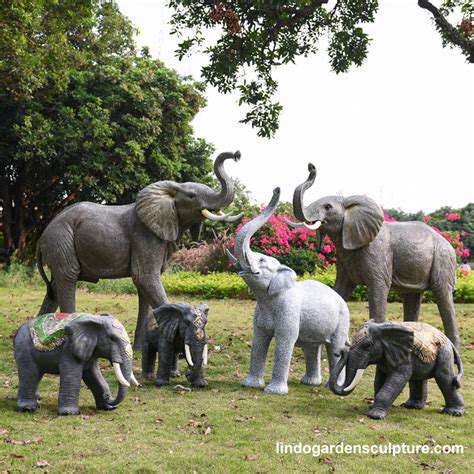
Consider integrating elements that symbolize your family heritage or personal milestones, such as sculptures, murals, or handcrafted benches. Each piece can tell a story that enriches the garden experience, making it a place of solace and reflection.
As you personalize your Feng Shui garden, remember to maintain a balance. While expressing individuality is vital, ensure that the aesthetic remains cohesive and harmonious, reinforcing the intended energy flow throughout the garden.
Read more about