Health Risks Associated with Poor Air Quality
The correlation between poor air quality and health issues is well documented. According to the World Health Organization (WHO), air pollution is responsible for approximately 7 million premature deaths globally each year. Long-term exposure to polluted air can lead to serious conditions such as heart disease, bronchitis, and asthma.
Children and the elderly are particularly vulnerable; they often experience greater health effects from air quality issues. Ensuring clean air is not merely a personal choice but a public health necessity. Awareness and proactive mitigation strategies are crucial for maintaining community health.
Strategies for Improving Indoor Air Quality
Improving Indoor Air Quality can be effectively achieved through several strategies. Simple methods include regular cleaning and utilizing air purifiers equipped with HEPA filters to reduce airborne particles. Additionally, sourcing natural cleaners can minimize the release of harmful VOCs.
Moreover, ensuring proper ventilation by opening windows or utilizing exhaust fans helps dilute indoor pollutants. It’s also beneficial to incorporate houseplants that naturally purify the air, such as spider plants or peace lilies, which can enhance the aesthetic appeal of the environment.
The Role of Feng Shui in Air Quality Management
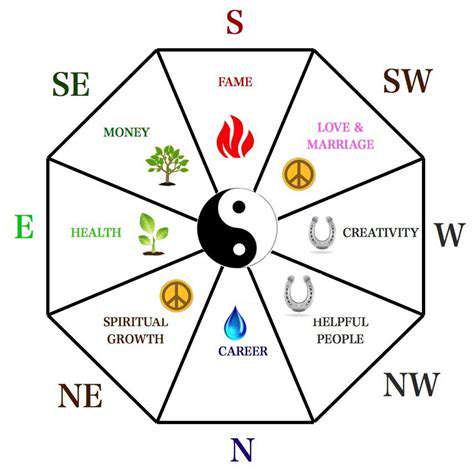
Feng Shui offers unique perspectives on managing air quality through environmental arrangement. One principle emphasizes the importance of open spaces and Natural Light, as they encourage the flow of good energy, or Chi. A well-structured layout can facilitate better airflow and enhance the overall atmosphere.
Integrating Feng Shui concepts, such as decluttering and arranging furniture to allow airflow, can significantly impact one’s health by promoting better air circulation. Ultimately, marrying traditional practices with modern science provides a holistic approach to creating healthier indoor environments.
Enhancing Ventilation with Feng Shui Principles

Understanding the Basics of Feng Shui for Airflow
To effectively improve ventilation in your space, understanding the core principles of Feng Shui is vital. Feng Shui emphasizes the importance of Unobstructed Airflow, which can enhance both physical and mental well-being. In this context, the optimal placement of furniture and other objects can significantly affect air circulation.
One of the basic concepts within Feng Shui is the arrangement of your living or working areas to promote Positive Energy Flow, or Chi. Consider the layout of your rooms; ensuring that doors and windows are not blocked will facilitate better circulation. Additionally, integrating plants into your space can help purify the air, further contributing to a healthier environment. Every aspect of design plays a role in creating harmony and balance.
Specific Strategies to Implement Feng Shui for Better Ventilation
- Position large furniture away from windows and air vents.
- Use mirrors strategically to reflect natural light and improve airflow.
- Incorporate natural elements, such as plants, that aid in air purification.
Implementing specific Feng Shui strategies can drastically alter the air quality and energy flow in your space. For instance, placing a mirror directly across from a window not only amplifies the flow of light but also helps to circulate the energy in the room. This is not just aesthetic; studies suggest that environments with good airflow can reduce stress and enhance focus, ultimately benefiting your health.
Moreover, consider the use of materials in your decor. Natural wood and stone materials not only reflect the principles of Feng Shui but also contribute to improved air quality. When selecting these elements, look for non-toxic options that don’t emit harmful compounds, as these can counter the positive impacts of Feng Shui.
Utilizing Light to Banishing Dampness

Understanding Dampness and Its Effects
Dampness in indoor environments can lead to various health issues, including respiratory problems and allergies. According to the World Health Organization, high humidity levels can exacerbate asthma and other respiratory conditions for many individuals. This makes addressing the issue of Mold and Dampness not merely a matter of aesthetics but a significant health concern.
Moreover, dampness often serves as a breeding ground for mold. Mold produces allergens and irritants that can severely compromise indoor air quality. For optimal health, maintaining an indoor humidity level below 50% is crucial, as anything above this threshold is conducive to mold growth.
The Role of Natural Light
Natural light plays a critical role in combating dampness. Sunlight not only warms up an area but also provides ultraviolet (UV) rays that help in killing mold spores. A study published in the Journal of Environmental Health reveals that exposure to UV light can significantly reduce mold presence in homes. Utilizing natural light can effectively diminish mold growth over time.
To maximize the benefits of sunlight, it's advisable to design living spaces that incorporate large windows or skylights. Such features can brighten indoor areas and can significantly contribute to reducing excess moisture over time. Remember to keep these areas free of obstructions to promote as much light as possible.
Artificial Lighting and Its Impacts
While natural light is optimal, artificial lighting can also play a beneficial role. LED lights with higher intensity can emit heat, helping to reduce moisture in specific areas when used wisely. Certain types of lighting, such as the use of ionizing fixtures, even work to purify the air further, thereby enhancing overall *air quality*. However, not all artificial lights have the same effect; thus, careful selection is key.
- LED lights help in warming damp areas.
- Certain lights work to purify air quality.
- Proper fixture selection enhances effectiveness.
Ventilation Strategies
Effective ventilation is another crucial factor in reducing dampness in the home. Ensuring adequate air circulation allows moisture to escape, thus minimizing the risk of mold growth. Energy-efficient ventilation systems can automatically regulate airflow, making them effective in both reducing dampness and improving air quality. Incorporating exhaust fans in high-moisture areas such as bathrooms and kitchens is essential.
A well-structured ventilation strategy should also involve periodic checks to ensure filters are functioning correctly. Assessing these systems annually can help in maintaining air quality and retaining low humidity levels, essential for mold prevention.
Integrating Feng Shui Principles in Design
Designing a space based on Feng Shui principles can lead to a more harmonious living environment, which also includes moisture control. For example, positioning rooms farthest from sources of moisture—like bathrooms or kitchens—can help minimize damp conditions. Additionally, the choice of materials is vital; using moisture-resistant paints and finishes will support long-term humidity management.
In line with Feng Shui, it’s suggested to keep spaces clutter-free. Clutter can obstruct air flow, which contributes to damp areas. Ensuring a clean and organized environment aligns with both aesthetic appeal and functional efficacy in mold prevention.
Balancing Humidity Levels with Feng Shui
Understanding Humidity's Role in Feng Shui
Humidity plays a crucial role in Feng Shui by influencing the flow of energy, or 'Chi,' within a space. Maintaining Optimal Humidity Levels is essential not just for health but also for creating a harmonious environment. This is because excessive moisture can lead to dampness, which is often associated with negative energy in Feng Shui practices. Studies show that ideal indoor humidity levels should generally be between 30% and 50% for both comfort and mold prevention.
Moreover, using a hygrometer can help you monitor humidity levels effectively. These tiny devices are essential for anyone serious about Feng Shui, as they provide real-time data that can guide your environmental adjustments. Understanding how humidity interacts with temperature can further enhance your ability to create a balanced home or office environment. When moisture levels rise, it can create a breeding ground for mold, which not only affects air quality but can also lead to health issues over time.
Practical Tips for Humidity Control in Your Space
To maintain the proper balance of humidity, there are several practical steps you can take. First, consider using a dehumidifier, especially in damp areas like basements or bathrooms. These devices can significantly reduce moisture levels, which can prevent unpleasant odors and the growth of mold. In contrast, if you live in a dry climate, using a humidifier can help add moisture back into the air, making your space more comfortable and promoting a positive energy flow.
Another effective method is to ensure proper ventilation. Open windows to promote airflow, particularly in areas prone to moisture build-up. This can greatly improve indoor air quality. Additionally, consider placing indoor plants that naturally absorb excess humidity. Certain varieties like peace lilies and Boston ferns not only improve air quality but also add a touch of nature to your decor.
The Importance of Air Quality in Feng Shui Practices
Incorporating elements that Enhance Air Quality is vital within Feng Shui practices. When air quality is compromised, it can lead to stagnant energy, which is detrimental to both physical and mental well-being. Research indicates that poor air quality can contribute to respiratory issues and other health concerns. To promote healthy air, consider incorporating air-purifying plants or using essential oil diffusers to create a welcoming atmosphere.
Implementing regular cleaning can also help maintain air quality. Dust and mold can accumulate quickly, especially in areas with higher humidity. Establishing a cleaning schedule, particularly in dank spots, will not only contribute to better Feng Shui but also create a more inviting living space. As a general guideline, aim to deep clean these areas at least once a month.
Lastly, being mindful of the materials you use in your home can contribute to a better air quality and overall Feng Shui. Opt for natural materials and finishes instead of synthetic options, as these often release volatile organic compounds (VOCs) into the air. This simple change can lead to significant improvements in both your indoor environment and your overall sense of well-being.
Creating a Mold-Free Sanctuary with Intentional Design
Principles of Intentional Design for Air Quality
Intentional Design revolves around the idea that every aspect of a space can influence our health and well-being. When forming a mold-free environment, consider the layout and material choices carefully. For instance, using non-toxic paints and furnishings can significantly reduce volatile organic compounds (VOCs) in your home, which contribute to poor air quality. Materials like natural wood and bamboo not only bring an organic aesthetic to your space but also improve air circulation, helping to maintain dryness and preventing mold growth.
Additionally, the arrangement of furniture plays a critical role in promoting airflow. Aim for open layouts that allow air to circulate freely. This helps to prevent humidity build-up, a common precursor to mold issues. When creating your sanctuary, it might be helpful to prioritize techniques such as decluttering, which not only simplifies maintenance but also enhances the overall aesthetic of your living space.
The Role of Plants in Mold Prevention
Incorporating plants into your home design can aid in maintaining a healthy atmosphere. Certain plants, like the peace lily and spider plant, are known for their air-purifying qualities, effectively removing toxins from indoor environments. Research published by NASA highlights that specific plants can absorb excess moisture as well, which is crucial for preventing mold proliferation. However, it is vital to ensure that plants are not overwatered, as this can lead to the very problem you're trying to eliminate.
Moreover, the selection of appropriate houseplants should align with the overall design intentions of your space. For example, opting for hardy succulents or cacti might suit a minimalist aesthetic while still providing air cleansing benefits. Consider this a way to express personal taste while fostering wellness through intuitive design.
Read more about