Understanding Yoga Mat Materials
The material of your yoga mat can significantly influence your practice. Common options include PVC, TPE, natural rubber, and cotton. PVC is durable and offers good grip, but it is not eco-friendly. On the other hand, TPE mats are lightweight and biodegradable, providing a more sustainable alternative. Meanwhile, natural rubber offers excellent traction and cushioning, making it a popular choice among dedicated yogis.
In recent studies, materials like natural rubber have been emphasized for their eco-friendliness, as they decompose more efficiently compared to synthetic options. This aspect is crucial for environmentally conscious consumers who want to align their practice with sustainable living. Additionally, consider your body's needs; for those who sweat more during practice, opting for a mat with moisture-wicking properties is essential.
Evaluating Thickness and Density
The thickness of a yoga mat can enhance or hinder your experience. Standard mats range from 1/16-inch to 1/4-inch thick. While thicker mats provide added cushioning—ideal for sensitive joints—thinner mats can enhance stability for balancing poses. A 1/4-inch mat may benefit beginners or those who prefer restorative styles, whereas a 1/8-inch mat often suits more advanced practitioners seeking stability.
Density is equally important; a denser mat will be more durable and provide better support. Research indicates that heavier mats often offer better stability, which can improve your balance and strength over time. Therefore, it is essential to evaluate both thickness and density to find a mat that complements your practice style.
Choosing the Right Color Psychology
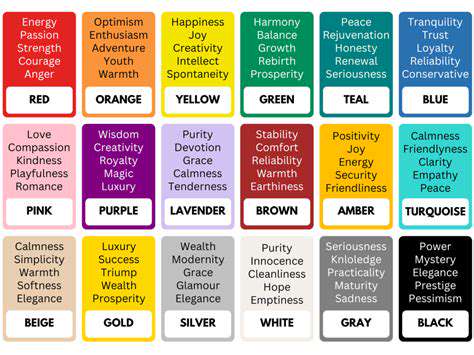
The color of your yoga mat isn't just aesthetic; it plays a psychological role as well. Certain colors can evoke feelings of calmness, energy, or motivation. For instance, blue shades are associated with tranquility and peace, making them ideal for restorative Yoga Practices. In contrast, vibrant colors like red or orange can stimulate energy and enthusiasm, which is conducive for a more vigorous flow class.
Environmental Considerations
Finding a yoga mat that is both effective and environmentally friendly can be challenging, but it is worth the effort. Look for mats made from organic materials or those certified by eco-labels, like GOTS or OEKO-TEX, which ensure sustainability standards. Purchasing mats from brands committed to minimizing their carbon footprint can also support your environmental values.
With the rise of eco-conscious consumers, manufacturers are increasingly transparent about their sourcing and production practices. This trend reflects a growing awareness that the materials we choose can significantly impact the planet. By selecting responsibly made mats, you not only enhance your own practice but contribute to a broader cultural shift towards sustainability.
Maintenance Tips for Longevity
Caring for your yoga mat properly can extend its lifespan significantly. Regular cleaning is important; most mats can be wiped down with a mixture of water and vinegar, which helps eliminate bacteria without harsh chemicals. Avoid submerging your mat, as this can deteriorate the material.
Storing your mat correctly is also crucial. Keeping it rolled up and in a cool, dry place prevents it from becoming misshapen or damaged. Avoid leaving it in areas exposed to direct sunlight for long periods, as UV rays can weaken materials over time. Following these maintenance tips helps ensure your mat remains supportive through countless sessions.
Personal Preferences and Practice Style
Your personal yoga style and preferences should ultimately drive your mat choice. If you practice mostly outdoors or in different environments, a mat with good portability, like a lightweight TPE, might be ideal. Conversely, if you have a dedicated studio space, investing in a heavier, thicker natural rubber mat can provide the durability and comfort you need.
Ultimately, trying different mats during classes can provide firsthand experience of what works best for you. Each practitioner has unique requirements, and assessing how a mat feels under your body during a range of poses can help you make a well-informed decision.
Budget Constraints and Value
Quality yoga mats can vary significantly in price, ranging from $20 to over $150. While opting for a cheaper mat may be tempting, investing in a higher-quality mat can save money in the long run by reducing the need for replacements. Mats that feature durable materials and construction often provide better support and comfort, which enhances your practice.
Consider what features are most essential for your specific practice when setting a budget. Sometimes it’s worth spending a little more for better traction or eco-friendliness. Ultimately, a yoga mat should be a practical investment in your well-being, aligning with both your practice and your values.
Placement of Your Yoga Mat: Aligning with Energy Flow
Understanding the Role of Energy Flow in Yoga
The Energy Flow, often referred to as chi or prana, plays a central role in aligning your practice with your environment. In Feng Shui, it is believed that the placement of objects within a space can significantly influence the energy around you, including during yoga sessions. Proper alignment not only enhances the physical benefits of yoga but can also result in improved emotional and spiritual well-being.
Research indicates that environments designed with Feng Shui principles promote a sense of tranquility and balance. For instance, a study published in the Journal of Environmental Psychology suggests that spatial arrangement can reduce stress and enhance focus. Therefore, aligning your yoga mat in accordance with energy flow can amplify these benefits, making your practice more effective.
Choosing the Right Location for Your Mat
Selecting a location for your yoga mat requires consideration of various factors, including natural light, airflow, and proximity to distractions. Ideally, your practice area should have ample natural light, which not only lifts your mood but also aligns with the Feng Shui principle of yang energy, promoting an active and vibrant environment.
To minimize distractions, aim for a quiet space within your home or studio. This not only helps you stay focused but also allows for deeper connection during your practice. Additionally, consider the cardinal directions; placing your mat facing east is thought to enhance vitality and clarity, while north-facing can promote calmness and introspection.
Creating an Energizing Atmosphere
The environment surrounding your yoga mat plays a crucial role in your overall practice. To cultivate an energizing atmosphere, consider incorporating elements that resonate with your personal energy and preferences. This can include grounding materials, such as a cork or jute mat, which connect you to nature while providing stability during poses.
Another consideration is the use of incense or essential oils, which can enhance the sensory experience of your practice. Scents like lavender and sandalwood not only promote relaxation but can also help clear negative energy according to Feng Shui principles. Ultimately, creating an inviting space filled with elements that support your energy flow can transform your practice.
Regularly Assessing Your Space
Regularly assessing the placement of your yoga mat and surrounding environment can help maintain a harmonious space. Over time, energy can shift, and what once worked may no longer feel right. Don't hesitate to move your mat to different areas or even change the arrangement of your Practice Space to see how it affects your energy levels and overall experience.
Incorporating seasonal changes can also add a refreshing dynamic to your practice. For example, as the seasons change, consider altering your space with seasonal décor or new plants to rejuvenate the energy in the area. This continuous assessment ensures that your practice remains aligned with your evolving needs and the natural flow of energy around you.
Enhancing Your Environment with Feng Shui Elements
Understanding the Five Elements of Feng Shui
The Five Elements of Feng Shui — wood, fire, earth, metal, and water — play a crucial role in cultivating energy flow within your yoga space. Each element possesses unique properties that can influence your movement and mindset during practice. For example, incorporating wooden items can promote growth and vitality, making them ideal for energizing your sessions.
Incorporating colors associated with these elements can also enhance your environment. For instance, greens and browns can invoke the wood element, while red represents fire. By creating a balance between these elements, you can design a seamless area that fosters not only physical movement but also emotional harmony, providing an optimal space for yoga.
Practical Tips for Feng Shui Integration
To effectively Integrate Feng Shui into your yoga practice, start by assessing your existing environment and making necessary adjustments. Clear clutter from your space, as it can obstruct energy flow. Aim for a clean and organized area where distractions are minimized, thereby allowing for a more focused and grounded practice. Avoid placing your yoga mat in direct alignment with doors, as this can disrupt the flow of energy.
Adding plants can also significantly enhance the energy within your practice area, as they embody the wood element. Not only do plants purify the air, but they also promote a sense of tranquility and connection to nature. Consider using essential oils in a diffuser to stimulate the fire element, which can awaken your senses and invigorate your movement. These practical adjustments can lead to substantial improvements in your yoga experience.
Aligning Your Intentions with Your Practice

Understanding the Energy Flow
In Feng Shui, the concept of energy, or Chi, is fundamental. It is believed that energy flows through all spaces, and by understanding this flow, one can create an environment that enhances physical and mental well-being. Creating a practice space where energy is vibrant and unblocked will optimize your experience on the yoga mat.
Research supports the idea that environments with good energy flow positively affect performance and motivation. A study from the Institute of Environmental Psychology indicates that individuals practicing in well-organized spaces showed a 25% increase in focus and performance. Therefore, setting up your yoga area in alignment with Feng Shui principles can lead to improved practice outcomes.
Setting Intentions for Your Practice
Before stepping onto your mat, it is crucial to establish clear intentions. This ensures that your practice is not just physical but also emotional and spiritual. Intentions can be something as simple as focusing on gratitude or more profound goals like healing or empowerment. Typically, practitioners write their intentions down, which can reinforce their commitment. Writing out your intentions helps you stay focused and allows for deeper engagement during your sessions.
- Set intentions that resonate with you personally.
- Consider your emotional state before practicing.
- Revisit and adjust your intentions regularly.
To further deepen your commitment, try incorporating visualization techniques. Spend a few minutes before your practice picturing your intentions coming to life, as this can enhance your mindful engagement with each pose.
Designing Your Practice Space
Arranging your yoga area in accordance with Feng Shui principles can significantly improve your practice. Objects, colors, and textures within this space should complement your intentions. It is vital to remove any clutter that may obstruct energy flow. A clean and organized space not only promotes peace but also clears the mind, allowing for deeper focus during practice.
Utilize elements like plants to bring in vitality and movement. According to a study from the Journal of Environmental Psychology, individuals practicing yoga in spaces adorned with plants reported higher satisfaction and reduced stress levels. This implies that incorporating natural elements not only beautifies your space but also plays a crucial role in enhancing your practice.
Evaluating Your Experience
After each yoga session, take a moment to reflect on your experience. Consider how effectively your intentions aligned with your practice. This can lead to greater self-awareness and improved future sessions. Keeping a journal where you document your feelings, challenges, and insights can be particularly useful.
In this evaluation process, ask yourself questions: Did the energy of the room support my practice? Was I able to connect with my intentions? Were there distractions that affected my performance? Answering these questions can help you adjust your practice space or your approach, ensuring you continue to grow. Remember, self-evaluation is key to progress in both yoga and personal development.
Read more about