Integrating water features, such as small ponds or fountains, into a rock garden can significantly amplify energy flow. Water symbolizes wealth and prosperity in Feng Shui, thus attracting positive Chi. Incorporating the right water element can transform your garden into a sanctuary of vitality and peace.
The sound of flowing water contributes to a calming atmosphere, enhancing the overall experience of the garden. It also offers a unique opportunity to create a micro-ecosystem that supports various flora and fauna, introducing more life and energy into the space.
Crucially, ensure that the water feature’s placement is harmonious with the surrounding elements, creating a seamless connection between stones and plants.
Creating Pathways for Movement and Flow
Pathways are significant when it comes to guiding energy flow in a garden. They should be designed not only for aesthetic appeal but also for practicality. A well-constructed path encourages movement through the garden space, allowing for the circulation of Chi. Choose materials like gravel or stone to complement the natural setting.
The layout of the pathways can determine the speed at which energy travels through the space. Curved pathways are preferable as they promote a slow, gentle flow of energy, while straight paths may create more direct, fast-moving Chi. It is essential to strike a balance in your design to maintain tranquility.
Regular Maintenance for Sustained Energy Flow
Maintaining your rock garden is essential for ensuring sustained energy flow. Regular upkeep, such as trimming overgrown plants and removing debris, keeps the Chi moving fluidly. In Feng Shui practice, stagnant energy from neglected spaces can adversely affect the dynamics of the environment.
Additionally, periodically refreshing the arrangement of stones or adding new plants can invigorate the energy within the garden. This proactive approach helps to keep the energy vibrant, reflecting the ever-changing nature of life.
Ultimately, your rock garden should become a reflection of your personal journey, adapting and evolving to meet your needs.
Maintaining Balance and Stability Over Time
Understanding the Principles of Balance in Feng Shui
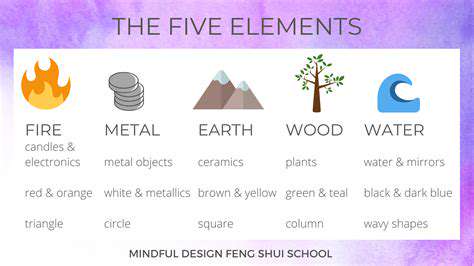
To maintain balance in your rock garden, it’s essential to grasp the fundamentals of Feng Shui. This ancient Chinese practice emphasizes harmony between elements such as earth, water, and plants. Achieving this equilibrium involves thoughtful placement and consideration of each component within the garden. For example, placing larger rocks to symbolize mountains creates a solid foundation, while smaller stones can represent rivers, ensuring a visual flow that is pleasing and calming.
Recent studies show that well-balanced gardens can positively affect mental health and wellbeing. According to research published in the Journal of Environmental Psychology, green spaces stimulate positive emotions and reduce stress levels. Integrating Feng Shui principles into your garden design not only enhances aesthetics but also contributes to overall tranquility, making your space a serene retreat from daily pressures.
The Role of Stability in Rock Garden Design
Stability is a pivotal aspect of any rock garden and can be achieved through strategic design choices. Incorporating varied rock sizes provides a sense of grounding, while the arrangement should flow naturally, facilitating ease of navigation. This spatial design mimics nature’s way of placing rocks, which enhances both visual interest and stability. Using stones that weather well in your local climate is crucial; stability here means ensuring that your choices can withstand natural elements over time.
Another method to enhance stability is through the careful introduction of plants that can hold soil in place, thereby minimizing erosion risks. Ground covers like moss or creeping thyme not only enrich the garden's aesthetics but also contribute to its structural integrity. Additionally, by periodically assessing and adjusting the layout, you maintain the garden's balance, ensuring it continues to thrive and provide a sense of stability.
Read more about