If you prefer a hands-on approach, creating your own cleaning solutions can be both eco-friendly and economical. Household staples such as vinegar, baking soda, and lemon juice can be combined to tackle various cleaning tasks. For instance, a mixture of vinegar and water works effectively as a natural disinfectant, while baking soda can be used as a scrubbing agent to remove tough stains.
Additionally, DIY cleaners allow you to customize fragrances using essential oils, ensuring your home smells fresh without harmful chemicals. By making your own cleaners, you have complete control over the ingredients, which not only promotes healthier air quality but contributes to a sustainable lifestyle.
The Long-Term Benefits of Eco-Friendly Cleaning
Investing in eco-friendly cleaning products yields long-term benefits for both your health and the planet. While they may have a higher upfront cost compared to conventional cleaners, the savings come in the form of improved well-being and reduced health risks from toxic exposures. A study by the National Institute for Occupational Safety and Health indicated that many common cleaning chemicals are associated with respiratory issues, skin irritations, and other health problems.
Moreover, by committing to environmentally responsible cleaning practices, you contribute to a larger movement aimed at reducing pollution and conserving resources. This not only benefits your immediate surroundings but also plays a part in global sustainability efforts that protect future generations and the planet. Choosing green cleaning products is not merely a personal preference; it's a proactive step toward a healthier and more sustainable world.
The Importance of Decluttering in Feng Shui
Understanding the Principles of Feng Shui
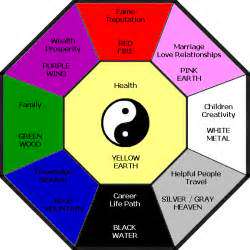
Feng Shui is an ancient Chinese practice that focuses on harmonizing individuals with their surrounding environment. This system is based on the idea that our surroundings profoundly influence our well-being. The key principles include the flow of qi, or energy, and the balance of the five elements: wood, fire, earth, metal, and water. By understanding these fundamental concepts, one can begin to appreciate the role of decluttering in creating a more harmonious living space.
A significant aspect of Feng Shui is the concept of energy flow. Clutter is seen as a barrier to this flow, causing stagnation in both physical and emotional aspects of life. When energy is blocked, it can lead to feelings of discomfort, anxiety, and even health issues. This highlights the importance of maintaining an organized and decluttered environment to allow positive energy to circulate freely.
The Psychological Effects of Clutter
Research shows that clutter can significantly impact mental health. A study published in the journal “Personality and Social Psychology Bulletin” indicates that individuals in cluttered environments experience higher levels of stress and anxiety. This is particularly relevant in the context of Feng Shui, as a cluttered space disrupts the chi and creates a feeling of chaos and unease.
Furthermore, decluttering can lead to improved focus and productivity. A clean and organized space allows the mind to concentrate on important tasks without distractions. From a Feng Shui perspective, this not only improves personal productivity but also enhances one's ability to attract positive outcomes in various life areas.
Implementing Decluttering Techniques
One effective method for decluttering is the “one in, one out” rule, which suggests that for every new item acquired, another should be removed. This approach helps manage the flow of belongings, reducing the likelihood of accumulating unnecessary clutter. Another technique is the “30-day minimalism game,” where participants eliminate one item on the first day, two on the second day, and so forth until they reach 30 items by the end of the month.
Additionally, the KonMari Method encourages individuals to evaluate belongings based on whether they spark joy. This practice aligns well with Feng Shui principles, as it prioritizes items that contribute positively to your life and energy. By being intentional about what we keep, we can foster an environment that supports well-being.
Another tip is to designate specific areas in your home for certain activities, thereby reducing clutter by keeping items stored appropriately. For instance, creating a dedicated work zone can help to limit distractions caused by household items and contribute to a more peaceful work environment.
How Decluttering Influences Energy Flow
In Feng Shui, space is perceived as imbued with energy, and clutter is a major hindrance to this energy flow. When spaces are cluttered, vital energy becomes trapped, leading to stagnation that affects various aspects of life. By decluttering, you promote a smooth flow of qi, which is essential for maintaining balance and stability at home and work.
Moreover, an organized environment is believed to enhance clarity of thought, making it easier to set and achieve goals. Practitioners often report an increase in creativity and motivation following decluttering projects, affirming the connection between physical and emotional well-being. This synergy between an orderly space and an active mind is a cornerstone of successful Feng Shui practice.
Maintaining a Sustainable Green Cleaning and Decluttering Habit
Establishing a routine for decluttering and cleaning can help sustain a non-toxic environment. It is beneficial to set aside a specific time each week for tidying up and reassessing your belongings. This commitment not only fosters a clean space but also reinforces the principles of Feng Shui by preventing the build-up of negative energy associated with clutter.
Incorporating environmentally-friendly cleaning methods is crucial. Utilizing natural products such as vinegar, baking soda, and essential oils can create a fresh and healthy space without the harmful effects of chemical cleaners. This practice not only aligns with the decluttering and organization efforts but also promotes a sustainable lifestyle in harmony with nature.
Finally, consider involving the whole family in your decluttering and cleaning efforts. Establishing shared goals can foster a sense of community and cooperation, leading to a more peaceful and productive household dynamic. By embracing these practices, you contribute to both personal well-being and a clean environment that supports a balanced life.
Creating an Inviting Atmosphere with Natural Elements

Integrating Indoor Plants for Enhanced Air Quality
Adding indoor plants to your space not only beautifies it but also significantly Improves Air Quality. Research has indicated that specific plants can remove toxins such as formaldehyde and benzene from the air. This creates a healthier environment for you and your family.
Plants like spider plants, peace lilies, and snake plants are excellent choices due to their low maintenance and high air-purifying capabilities. By introducing a variety of greenery, you can create a more balanced and inviting atmosphere.
- Choose air-purifying plants that are easy to care for.
- Incorporate different textures and colors for visual interest.
- Consider the placement of plants to maximize their health benefits.
Utilizing Natural Light for Better Well-Being
Natural light has profound effects on your mood, energy levels, and overall health. Studies have shown that exposure to natural light can reduce stress and enhance productivity. By ensuring your space maximizes sunlight, you can promote a more uplifting environment.
To achieve this, consider open window treatments or skylights. Additionally, arranging furniture to face windows can create a more inviting and refreshing atmosphere.
It’s beneficial to strategically place mirrors to reflect light, making your space feel more spacious and welcoming. This simple adjustment can change the dynamics of the room while keeping the energy flow engaged.
Choosing Non-Toxic Materials for Furnishings
By opting for eco-friendly furniture and decor, you contribute to a healthier indoor environment. Non-toxic materials, such as organic cotton or bamboo, reduce the levels of harmful chemicals commonly found in conventional furnishings.
Moreover, using natural products in your space promotes sustainability. Since many non-toxic items are produced with minimal processing, they carry a lower environmental footprint, aligning with Feng Shui principles.
- Seek out furniture made from sustainable resources.
- Look for certifications that indicate low chemical emissions.
- Prioritize durable items that can stand the test of time.
- Incorporate elements like hemp or reclaimed wood for added character.
Incorporating Natural Textures and Colors
The choice of colors and textures can drastically influence the energy of a room. Earthy tones like greens, browns, and soft neutrals create a grounded, peaceful environment. Using natural textures can enhance this feel, making spaces more inviting and serene.
Consider incorporating materials such as wool, linen, and wood into your home décor. These elements not only reflect nature but also bring warmth and comfort to the area, making it a refuge from the hustle and bustle of everyday life.
Additionally, using artwork that features landscapes or nature motifs can evoke a sense of calm. A well-thought-out combination of colors and materials can effectively promote a balanced energy flow within your space, essential for achieving harmony in Feng Shui.
Implementing Mindfulness in Your Cleaning Routine
Understanding Mindfulness in the Cleaning Process
Mindfulness is the practice of being present and fully engaged with the task at hand without judgment. When applied to cleaning, it encourages individuals to focus solely on their environment and their actions. According to studies, being mindful during routine activities can enhance overall well-being and reduce stress. In the case of cleaning, it allows for greater awareness of one’s surroundings and fosters a sense of accomplishment.
By adopting a mindful approach to cleaning, you not only elevate the act itself but also transform your living space. It's about paying attention to the sights, sounds, and even scents associated with the cleaning process. Such awareness can make the task more enjoyable and fulfilling, turning a mundane chore into a moment of reflection and clarity.
Creating a Ritual for Your Cleaning Routine
Establishing a cleaning ritual can help in implementing mindfulness effectively. Start by designating specific times in your week for cleaning and stick to them. Consistency breeds comfort, and soon cleaning can become a cherished part of your routine. For instance, you might choose Sunday mornings for a thorough housecleaning session while listening to calming music, which adds an element of serenity to the experience.
Incorporating intentional practices such as lighting a candle or using essential oils can also help set the mood for cleaning. Scents like lavender or eucalyptus are known for their calming properties and can enhance your overall cleaning experience. Such practices create a personal ritual, reinforcing the connection between mindfulness and cleaning.
Mindful Choices in Cleaning Products
The choice of cleaning products plays a critical role in creating a non-toxic environment. Research has shown that many conventional cleaning agents contain harmful chemicals that can adversely affect both our health and the planet. By opting for green cleaning products, you reduce exposure to pollutants and contribute to a healthier living space. Look for products that are biodegradable and free from synthetic fragrances.
A good approach is to make your cleaning solutions with natural ingredients like vinegar, baking soda, and lemon juice. These substances are not only effective but also safe for your family and pets. This mindful selection of cleaning materials informs both your physical environment and enhances your mental clarity during the cleaning process.
Incorporating Breathing Techniques
Breathing techniques can significantly influence your mindset while cleaning. Engaging in deep breathing exercises prior to starting your cleaning routine can help calm the mind and center your thoughts. For instance, try inhaling deeply through your nose, holding for a few seconds, and exhaling through your mouth. This practice can ground you, making the task feel less overwhelming.
As you clean, make it a practice to take brief pauses for deep breathing. This not only helps reinforce mindfulness but also provides an opportunity for reflection. During these moments, you can assess the progress made and recognize the effort put into creating a healthier home environment.
Integrating structured breathing exercises into your cleaning routine can ultimately provide numerous benefits, both physically and mentally. The result is a more serene atmosphere, conducive to productive cleaning sessions.
Reflecting on Your Clean Environment
Taking time to reflect on your cleaned space enhances the benefits of mindfulness in cleaning. After completing your tasks, pause and observe your surroundings. What do you notice? How does the clean space affect your mood? Engaging in reflection can deepen your appreciation for the effort you put into cleaning and reinforce positive feelings about your home.
Keeping a journal where you note your thoughts after each cleaning session can also be useful. Write about what you cleaned, how you felt during the process, and any changes you observed in your environment. Such reflective practices can cultivate gratitude and reinforce your commitment to maintaining a non-toxic and mindful living space.
Read more about