Feng Shui for Digital Detox: Creating Tech Free Zones
The Importance of Tech-Free Zones
Creating Tech-free zones is crucial in today's digital age, where constant connectivity can lead to mental fatigue and distraction. Designating specific areas within your home or office as tech-free encourages creative thinking and allows for genuine relaxation. Studies show that individuals who designate tech-free spaces report improved focus and a better ability to engage in meaningful conversations with others.
Establishing these zones can greatly benefit one's mental health. For instance, a designated reading nook or comfortable seating area away from screens can cultivate a serene atmosphere for relaxation and mindfulness. Prioritizing these spaces not only enhances personal well-being but it can also foster stronger relationships by promoting Quality Time without digital interruptions.
Moreover, integrating elements of nature, such as plants or natural light, within these Tech-Free Zones can further enhance their effectiveness. Nature has been shown to reduce stress and anxiety, ultimately making your tech-free zone a sanctuary for rejuvenation. By intentionally crafting such areas, we can reclaim our time and attention in an increasingly digital world.
Practical Steps to Implement Feng Shui in Designated Areas
Implementing Feng Shui principles in your Tech-Free Zones doesn't have to be an overwhelming process. Start by decluttering the space—removing unnecessary items opens up energy flow and creates a more inviting atmosphere. Consider arranging furniture to promote conversation and connection, with comfortable seating facing one another to encourage engagement.
Another essential step is to select colors and materials that resonate with the desired mood of the space. Soft earth tones can instill a sense of grounding, while blues may promote calmness. Utilizing decorative pieces that embody the five elements can also enhance energy flow; for example, a small water feature can introduce a soothing sound and a sense of movement.
Incorporate personal touches that resonate with your personal energy—images, books, or captivating objects should resonate with your interests and elevate your mood. Regularly reassess and reorganize your tech-free zones to reflect any changes in your needs or design tastes, ensuring they remain inviting and restorative spaces.
Identifying Ideal Spaces for Tech-Free Zones
Understanding the Importance of Tech-Free Zones
Creating tech-free zones is essential in a digitally driven world. Research has shown that excessive screen time can lead to increased anxiety and sleep disorders. The American Academy of Pediatrics suggests limiting screen exposure, particularly before bedtime, to ensure improved mental health and well-being.
Moreover, tech-free areas allow for better face-to-face interactions, fostering deeper connections with family and friends. By intentionally carving out spaces where devices are off-limits, individuals can engage in meaningful conversations that enhance emotional bonds, which are crucial for personal well-being.
Strategically Choosing Locations for Zones
When selecting spaces for tech-free zones, consider high-traffic areas within your home, such as the living room or kitchen. These spaces naturally invite social interaction and can be transformed by creating cozy nooks dedicated to relaxation and conversation. A 2019 study highlighted that shared spaces encourage collaboration and strengthen relationships amongst family members.
Designing an Effective Tech-Free Environment
The design of your tech-free space can significantly influence its efficacy. Opt for comfortable seating and soft lighting to create a welcoming atmosphere. Consider adding elements like plants or artwork that encourage creativity and calmness. A study from the University of Queensland found that incorporating natural elements into living spaces reduces stress levels, thus enhancing the quality of time spent away from screens.
To maximize engagement in tech-free zones, provide activities that encourage interaction, such as board games or collaborative art supplies. These tools not only stimulate conversation but also offer alternative forms of entertainment that do not rely on screens.
Encouraging Commitment to Tech-Free Zones
Establishing tech-free zones goes beyond physical space; it requires commitment from all members involved. You might consider setting specific times during the day that are designated as “device-free,” helping everyone to adjust and engage without the distraction of technology. According to a survey conducted by Statista in 2020, 43% of respondents mentioned that they felt more liberated when they turned off their devices regularly.
Involving family members in the creation and maintenance of these spaces can also enhance adherence to tech-free commitments. Discuss the benefits and actively explore how these areas can improve quality time together, encouraging a support system that champions the vision of a balanced digital lifestyle.
Designing Your Tech-Free Zone with Feng Shui

Identifying the Right Location for Your Tech-Free Zone
Choosing the right space within your home is critical for creating a successful tech-free zone. Start by identifying areas where you commonly spend time and where electronics are currently affecting your tranquility. Common choices include a cozy reading nook, a sunlit corner, or even a designated room that feels separate from your digital chaos. These locations should ideally have minimal electronic interference to ensure a true retreat.
Consider utilizing the feng shui concept of “mountain and water” to guide your decision. The idea is to find a space that feels supported, like being nestled near a mountain, while still having access to natural light and fresh air. Placing your tech-free zone in a well-lit area can enhance its inviting atmosphere, making it a place you genuinely want to spend time in.
Incorporating Nature and Minimalism
- Utilize plants for a calming effect.
- Opt for natural materials to promote a serene environment.
- Keep the space uncluttered and minimalistic.
Integrating elements of nature is essential when designing your tech-free zone. Incorporate plants that thrive indoors, as they not only purify the air but also provide a soothing aesthetic. Research shows that being around greenery can lower stress levels and boost overall well-being, making it an ideal companion in your detox journey. Consider options like snake plants or peace lilies, which require minimal maintenance while adding vibrant life to your space.
A minimalist approach is also highly effective. Decluttering your area of unnecessary items creates a more peaceful environment, free from distractions. Aim for only a few functional, meaningful objects that promote relaxation, like comfortable seating or a beautiful piece of art, which can contribute to the overall balance of the area.
Establishing Grounding Rituals and Practices
To solidify the integrity of your tech-free zone, consider incorporating grounding rituals into your daily routine. This could include practices like meditation, yoga, or simply enjoying a cup of herbal tea while engaging your senses. Allocating specific times during the day, when you unplug and transition to your tech-free zone, fosters a routine that reinforces the importance of this sanctuary. Over time, this can help reset your relationship with technology.
Additionally, journaling or reading can further enrich your experience within this space. These activities stimulate the mind without relying on screens, thereby promoting a healthier way to unwind. Whether you engage in personal reflection or dive into a novel, these practices can deepen the benefits of establishing your tech-free oasis.
Establishing Boundaries for Technology Use
Understanding the Importance of Boundaries
Establishing boundaries around technology usage is essential for fostering a balanced lifestyle. Numerous studies indicate that excessive screen time can lead to increased stress and anxiety, affecting overall well-being. By setting clear limits on technology, individuals can reclaim their time and focus.
When you create specific boundaries, you're not just protecting your mental health; you're also promoting healthier relationships with others. Engaging with family and friends without distractions enhances connection and communication, which is essential in today’s fast-paced world.
Moreover, boundary setting can improve productivity. Research suggests that multitasking leads to decreased efficiency. By designating tech-free periods, individuals can concentrate on tasks without interruptions, resulting in higher quality work and reduced burnout.
Identifying Tech-Free Zones in Your Environment
Recognizing areas in your home where technology use is restricted can greatly enhance your daily routine. For instance, the dining room and bedrooms are ideal spaces for fostering healthy connections, as using devices during meals can disrupt conversations.
Incorporating tech-free zones is not just about physical spaces but also about time. Consider creating designated hours, such as during family games or outdoor activities, where devices are put aside. This allows family members to engage fully, promoting a sense of connectedness.
Setting Practical Guidelines for Use
Once you’ve identified your tech-free zones, it's crucial to establish specific guidelines. Consider implementing rules such as no devices at the dinner table or during family game night. This promotes a culture where technology is used mindfully, enhancing the quality of interactions.
Additionally, you might want to establish a routine that includes scheduled tech breaks. For example, after a period of focused work, a brief tech-free interval can refresh mental clarity. Research indicates that brief breaks can significantly boost overall productivity and minimize fatigue.
Encouraging your family to participate in these community agreements fosters accountability and shared responsibility, emphasizing the benefits of disconnection together.
Incorporating Mindfulness Practices
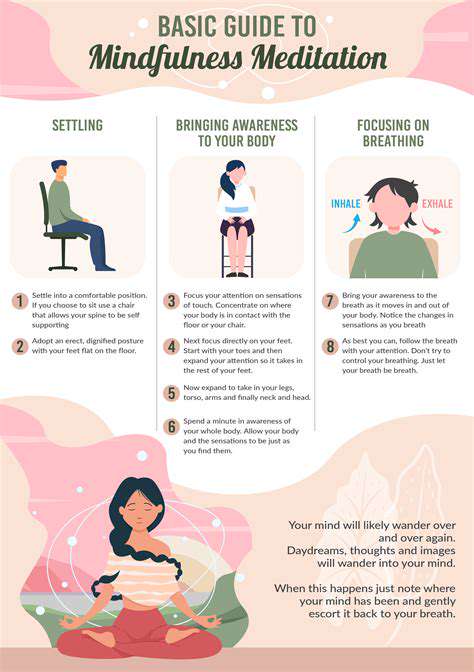
Mindfulness practices can further enhance the effectiveness of tech-free zones. Engaging in activities such as meditation or yoga can create a serene environment that invites peace and focus. According to the American Psychological Association, mindfulness can reduce stress and improve emotional health, making it an excellent complement to digital detox efforts.
Communicating Your Boundaries
Once your boundaries are established, effective communication is key. It's helpful to articulate your goals to family members and friends. Explaining the rationale behind these boundaries can foster understanding and support, making it easier for everyone to adhere to them.
Monitoring and Adjusting Your Boundaries
Regularly reviewing and adjusting your boundaries is an essential step in maintaining a healthy relationship with technology. As your lifestyle and commitments evolve, so should your guidelines. This flexibility ensures that the boundaries remain effective and relevant to your current situation.
Self-reflection is a valuable tool in this process; take note of how these adjustments affect your mental well-being and relationships. If a specific zone or time frame isn’t working, don’t hesitate to tweak it to better suit your needs.
Practicing Mindfulness in Your Tech-Free Zones
Understanding the Importance of Tech-Free Zones
Tech-free zones are designated areas where the use of electronic devices is restricted or entirely prohibited. This concept stems from the growing concern over digital distractions impacting our mental well-being. Research conducted by the American Psychological Association illustrates that continuous exposure to technology can lead to increased stress and anxiety levels, making it crucial to establish spaces that promote peace and focus.
Creating these zones in your home or workplace can significantly enhance productivity and relaxation. Numerous studies indicate that environments designed for minimal technological interference can foster better concentration and creativity. By setting aside areas for reading, meditating, or simply unwinding without screens, individuals often find improved mental clarity and emotional regulation, which can greatly enhance overall well-being.
Tips for Designing Your Tech-Free Area
When designing a tech-free zone, start by selecting a quiet, comfortable area in your home. Ensure that this space is free from gadgets and distractions to achieve the desired state of tranquility. Incorporating elements such as plants or natural lighting can create a calming atmosphere. For instance, research suggests that exposure to greenery can reduce stress and elevate mood, making it an excellent addition to your space.
Additionally, consider using furniture that encourages relaxation, such as comfortable seating or cushions for the floor. It’s important to personalize your tech-free zone with items that promote mindfulness, like journals or relaxation tools. According to a study by Stanford University, engaging in creative activities in a distraction-free environment can lead to higher productivity levels and enhanced creative thinking, emphasizing the importance of this dedicated space.
Incorporating Mindfulness Practices
Once your tech-free zone is established, it's time to incorporate mindfulness practices that align with your lifestyle. Simple activities such as deep breathing, meditation, or yoga can be incredibly beneficial in these spaces. Engaging in mindfulness has been linked to lower stress levels and improved emotional health. A study published in 'Psychological Science' found that a consistent mindfulness practice increases overall well-being and cognitive functions.
For those seeking structure, consider joining guided mindfulness sessions through community resources or online platforms that focus on tech-free practices. This can help maintain the commitment to your tech-free zone while bringing in a social aspect to your mindfulness routine. By regularly spending time in your tech-free area practicing mindfulness, you’ll likely find a greater sense of calm and clarity that extends into your everyday life.
Finally, it's important to regularly evaluate the effectiveness of your tech-free zone. Reflect on how it impacts your daily routine and adjust as necessary to ensure it continues to meet your personal needs. Consistency can help solidify this positive habit, leading to lasting benefits over time.
Read more about Feng Shui for Digital Detox: Creating Tech Free Zones