Feng Shui
Behavioral Economics
Abundance
Financial Health
Goal Setting
Mental Health
Financial Abundance

Feng Shui for Debt Relief: Creating Financial Freedom

Do you want to pay off debt, increase savings, or invest? Once you have clarity, you can select images and words that resonate with these objectives. Research suggests that visual stimuli can effectively drive motivation, making this selection critical to your success.

Be mindful of the colors and imagery you choose as well. Different colors evoke varying emotional responses; for example, green can symbolize prosperity, while blue might evoke a sense of calmness and stability. Align your choices with the feelings you want to cultivate regarding financial abundance.

You might also consider incorporating quotes from influential figures in finance or self-improvement. The words of those who have succeeded can serve as powerful motivators, reminding you of the potential that exists when you remain focused and determined.

Placement of Your Vision Board

The placement of your vision board plays a crucial role in its effectiveness. It's essential to position it in a location where you will see it regularly, such as your office, bedroom, or a shared space. Frequent exposure to your vision board reinforces your goals and keeps you inspired. Research indicates that people who regularly visualize their goals are more likely to make tangible progress.

Additionally, consider the Feng Shui principles related to placement. Ensure your board is in a space associated with wealth and prosperity, often represented by the Southeast sector of your home or office. By aligning your vision board with Feng Shui practices, you can enhance its energy and overall effectiveness in guiding you toward financial freedom.

Setting Realistic Goals

Creating a vision board should always be paired with setting realistic and measurable goals. For instance, if your aim is to pay off debt, define how much you wish to eliminate and by when. This specificity will make your objectives more tangible and achievable. Statistics show that individuals with clearly defined goals are significantly more likely to succeed in achieving them.

Moreover, break down larger goals into smaller, manageable steps. This method not only makes the process less overwhelming but also allows you to celebrate small victories along the way, which can boost your morale and sustain motivation throughout your financial journey.

Regularly Updating Your Vision Board

As your financial situation and goals evolve, so too should your vision board. Regularly reviewing and updating it ensures that it remains relevant and motivating. A good practice is to set aside time every few months for reflection and reassessment of your objectives. This might involve swapping out images or adding new affirmations that align with your current aspirations.

Research from behavioral psychology suggests that individuals who engage in regular goal-setting exercises tend to become more invested in their achievements. Keeping your vision board fresh can help renew your commitment to your financial goals and provide fresh inspiration as your journey progresses.

Sharing Your Vision Board with Others

Consider sharing your vision board experience with friends or family members. Discussion can lead to valuable insights and new perspectives on your financial goals. Engaging others in your journey may also foster accountability, which is crucial for staying committed to your ambitions. According to studies, individuals who share their goals are 33% more likely to achieve them.

Incorporating elements from their feedback can lead to a more comprehensive view of your financial aspirations, and this shared experience could build stronger support networks. It reinforces the notion that pursuing financial freedom is not a solitary endeavor; connections can often enhance motivation.

Practicing Gratitude and Positive Affirmations

Understanding the Principles of Gratitude

Gratitude is more than just a fleeting emotion; it's a practice supported by psychological research. Studies have shown that regularly expressing thanks can lead to significant improvements in mental health and overall well-being. This positive emotional state can encourage a healthy mindset towards financial situations.

Engaging in Gratitude Practices can create a more favorable environment for financial abundance. By focusing on what you appreciate, you not only shift your perspective but also increase your capacity to receive more good in your life. This principle aligns well with Feng Shui, which thrives on maintaining positive energy in one’s surroundings.

The Role of Positive Affirmations

Positive Affirmations are statements that can help counteract negative thoughts and reinforce a positive self-image. Research indicates that affirmations can effectively improve motivation and emotional resilience, which are crucial when tackling financial challenges. Tailoring affirmations to focus on financial abundance can shift your mindset from scarcity to abundance.

Creating a Gratitude Journal

A gratitude journal can serve as a practical tool to reinforce daily positive thoughts. Spend just a few minutes each day writing down three things you are thankful for. This simple action can significantly change how you perceive your financial circumstances. The act of writing helps solidify those positive feelings and encourages a greater appreciation for your achievements.

Incorporating financial goals into your journal entries can also be beneficial. For instance, when you note what you are grateful for, include any progress you’ve made towards financial freedom. This reinforces a sense of accomplishment and keeps your goals at the forefront of your mind.

Visualization Techniques for Financial Success

Visualization, another integral part of practicing gratitude and affirmations, enhances your ability to manifest your financial aspirations. Creating a vision board that includes symbols of your financial goals can serve as a daily reminder of what you want to achieve. By regularly visualizing success, you activate the subconscious mind to recognize opportunities aligned with your vision.

Incorporating Feng Shui with Gratitude Practices

Feng Shui emphasizes the importance of creating harmonious environments, which complements gratitude practices well. Arrange your financial documents and workspace in a way that promotes clarity and focus. A tidy, organized space can significantly alleviate stress and anxiety related to finances, thereby fostering an attitude of gratitude.

Incorporating elements of Feng Shui, such as plants or water features, can also enhance positive energy flow. While this may seem abstract, physical manifestations of positivity can influence your mental state, creating a more welcoming atmosphere for financial growth.

Daily Routine for Integrating Gratitude and Affirmations

Creating a structured daily routine to incorporate gratitude and affirmations can significantly enhance their effectiveness. Start your day with a brief moment of reflection, setting intentions for your finances. Follow this with affirmations focusing on financial freedom, which can instill positive beliefs about money management and wealth accumulation.

In the evenings, take another few minutes to reflect on your day and identify aspects of your financial journey that you are grateful for. This exercise helps reinforce positive patterns and minimizes stress about financial concerns. Consistency is key; ultimately, these small daily practices accumulate to foster a more grateful and financially secure mindset.

Overcoming Obstacles with Gratitude

One of the challenges many face in their financial journey is the tendency to dwell on setbacks. Practicing gratitude can effectively counteract negative thought cycles. When you hit a financial snag, remind yourself of past successes and the lessons learned. This not only promotes resilience but also encourages a forward-thinking mindset, making it easier to navigate hardships.

To further bolster this approach, consider developing a support network that shares similar values. Surrounding yourself with like-minded individuals can enhance your gratitude practice, as they provide both encouragement and inspiration for maintaining a positive outlook even in difficult times.

Read more about Feng Shui for Debt Relief: Creating Financial Freedom
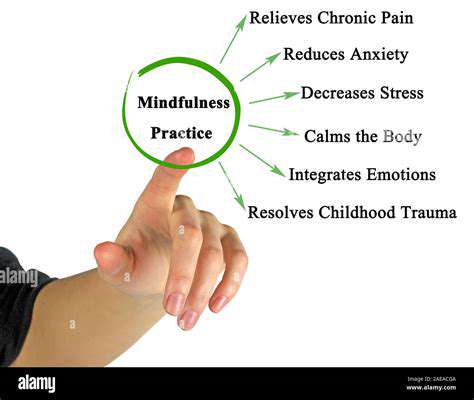
A Path to Improved Mental and Emotional Well-BeingDiscover the transformative practice of mindfulness, which involves being fully present and aware of your thoughts, feelings, and surroundings without judgment. This insightful article explains the core concepts of mindfulness, its numerous benefits — including enhanced emotional regulation, improved focus, and better overall mental health — and offers practical steps to begin your mindfulness journey.Learn about simple techniques such as mindful breathing, body scanning, and mindful eating. Gain tips on how to integrate mindfulness into your daily routine while addressing common challenges like distraction and self-criticism. You'll also find encouragement for developing a consistent mindfulness practice, enhancing your well-being and relationships over time.Whether you're a beginner or looking to deepen your practice, this comprehensive guide will equip you with the knowledge and tools necessary to cultivate mindfulness and navigate life's challenges with greater resilience and peace.
Nov 28, 2024
The Importance of Chi Energy in Feng ShuiDiscover the transformative power of Chi energy and how it plays a crucial role in Feng Shui. This comprehensive guide explains the fundamentals of Chi energy, its impact on our surroundings, and practical tips to enhance the energy flow in your home. Learn how to create harmony by understanding the five elements—Wood, Fire, Earth, Metal, and Water—and their interactions. From decluttering tips to mindful color choices and the incorporation of natural elements, this article provides actionable insights for achieving a balanced and serene living space. Elevate your well-being and transform your environment into a sanctuary of positivity with Feng Shui principles.
Jan 28, 2025
Feng Shui for Office Supplies: Efficient Workspaces
Jun 08, 2025
The Ultimate Guide to Bagua Map Placement
Jun 24, 2025
Feng Shui for Certificates and Diplomas: Acknowledging Achievements
Jul 04, 2025
Feng Shui for Photography Equipment: Capturing Moments
Jul 14, 2025
Improve Negotiation Skills: Feng Shui for Fair Outcomes
Aug 30, 2025
Achieve Clarity: Feng Shui for Eliminating Mental Clutter
Sep 01, 2025
Feng Shui for Entrances: Inviting Good Fortune
Sep 05, 2025
The Ultimate Guide to Creating a Beautiful Rock GardenCreating a stunning rock garden is not just about placing stones; it involves thoughtful planning and design. In this guide, we’ll explore essential factors such as location, plant selection, and aesthetic appeal to help you build a harmonious rock garden that thrives. Choosing the Right Location Sunlight and ShadeEvery great rock garden begins with the right location. Assess the sunlight your chosen area receives; most rock garden plants prefer a sunny spot with at least six hours of sunlight. However, a few might thrive in shaded areas. Observe how sunlight moves through your garden during different seasons to make informed choices on plant placements. Soil Quality and DrainageGood drainage is paramount in a rock garden. Rocky soil typically offers excellent drainage, perfect for succulents and alpine plants. Perform a soil test to check for pH levels and nutrients. If you face drainage issues, consider mixing 50% gravel or sand with soil or constructing raised beds. Accessibility and Aesthetic AppealEnsure that your rock garden is easily accessible for maintenance tasks. Positioning your garden near walking paths enhances your ability to enjoy it regularly. Additionally, integrate natural stones that resonate with the local landscape to create a visually appealing garden that complements its surroundings. Selecting Rocks with Intent Understanding Feng ShuiRocks play a significant role in Feng Shui, contributing stability and grounding to your space. Choose stones based on their shapes, colors, and textures to enhance energy flow. Incorporate natural stones from your local area to ensure ecological compatibility. Strategic PlacementThe arrangement of rocks affects energy movement. Larger stones toward the back can establish depth, while smaller ones in the foreground create visual interest. Pathways should guide visitors naturally, maintaining an inviting energy flow throughout the space. Incorporating Plants and Water Features Plant SelectionSelecting suitable plants is key to a successful rock garden. Choose drought-resistant varieties like succulents or native plants that match your climate. Organize your plants with taller specimens in the back and shorter ones in front to promote visual appeal and energy flow. Adding Water FeaturesIncorporating water features such as small ponds or bubbling fountains not only enhances the beauty of your rock garden but also attracts wealth and tranquility. Position the water feature harmoniously with the rest of the elements to maximize the serene ambiance. Maintaining Energy Flow and Balance Regular MaintenanceTo sustain the vibrancy of your rock garden, routine maintenance activities such as pruning and cleaning are essential. Keeping the garden tidy ensures a continuous energy flow and allows for a refreshing atmosphere. Personal TouchesFinally, personalize your rock garden with meaningful ornaments that resonate with your intentions and aspirations, ensuring that your outdoor space reflects your unique personality.By carefully considering these essential elements, you can create a rock garden that enhances your space’s beauty, energy, and tranquility, making it a serene retreat for years to come.
Jan 29, 2026
Creating Effective Tech-Free ZonesIn our fast-paced, digital world, establishing tech-free zones is not just a luxury; it's a necessity. This article delves into the principles of Feng Shui and how these practices can enhance your living spaces by promoting healthier environments that prioritize well-being and mindfulness. Foundations of Feng ShuiFeng Shui, rooted in the idea of Qi, or energy flow, teaches us that the arrangement of our spaces can significantly impact our mental and emotional health. Well-organized environments enhance productivity, reduce stress, and create a positive atmosphere. The five key elements of Feng Shui—Wood, Fire, Earth, Metal, and Water—each contribute uniquely to the ambiance of a space and can be intentionally incorporated to enhance energy flow. The Need for Tech-Free ZonesAs technology dominates our lives, creating tech-free zones in our homes becomes increasingly essential. These areas promote relaxation and real human connection by reducing distractions and enhancing focus. Research shows that tech-free environments can lead to improved mental clarity and more meaningful interactions with family and friends. Practical Steps to Implementing Feng Shui PrinciplesIncorporating Feng Shui into your tech-free zones can be a straightforward process. Start by decluttering to allow for better energy flow, and arrange furniture in ways that encourage conversation and connection. Employ colors that resonate with the desired mood of the space, such as calming blues or grounding earth tones. Regularly reassess and personalize your zones to ensure they continue to meet your evolving needs. Identifying Ideal SpacesTo create effective tech-free zones, select high-traffic areas such as living rooms or kitchens that naturally invite social interaction. These shared spaces can easily be transformed into serene retreats conducive to relaxation and connection. Designing Your Tech-Free Zone with Feng ShuiChoosing the right location is crucial. Look for spaces that are typically free from electronic noise and distractions, such as a cozy reading nook or a sunlit corner. Integrate natural elements and minimalist decor to enhance tranquility, as studies indicate that greenery can significantly lower stress levels. Think of incorporating grounding rituals like meditation or yoga to enrich your experience in these areas. Establishing Boundaries and MindfulnessSetting clear boundaries around technology use not only protects your mental health but also promotes healthier relationships. Designating specific times for tech-free activities fosters deeper connections within families and allows for focused conversations without digital interruptions. Simple mindfulness practices can further enhance the benefits of your tech-free zones, ensuring that these areas serve as true retreats from the digital world. ConclusionThe principles of Feng Shui can transform your living space, making it a sanctuary for relaxation and meaningful connection. By embracing the practice of establishing tech-free zones, you can foster wellness in your life, create environments that nurture creativity, and strengthen your relationships. Consider implementing these techniques today for a healthier, more balanced lifestyle.
Jan 30, 2026
Tiny particles that can penetrate the lungs, leading to respiratory and cardiovascular issues.- Volatile Organic Compounds (VOCs): Emitted from various household products, they can cause headaches and long-term health problems.- Carbon Dioxide (CO2): High levels often indicate poor ventilation, contributing to discomfort and fatigue. Health Risks from Poor Air QualityChildren and the elderly are particularly at risk from the adverse effects of air quality, making clean air a public health necessity. Strategies for improving indoor air quality are vital, and simple actions, such as regular cleaning, using HEPA filters, and ensuring adequate ventilation, can drastically enhance your living space. Feng Shui and Air Quality ManagementFeng Shui principles offer unique insights into optimizing air quality through thoughtful spatial arrangements. Techniques such as decluttering your home and ensuring unobstructed airflow can significantly improve both air quality and the overall energy flow (or Chi) in your space. Practical Feng Shui Strategies for Enhancing Air Quality- Position large furniture away from windows and vents to enable natural airflow.- Incorporate plants known for their air-purifying abilities, like spider plants or peace lilies.- Use mirrors to reflect natural light and enhance the perception of space. Combatting Humidity and DampnessMaintaining the proper balance of humidity is crucial in preventing mold growth and ensuring good air quality. According to the WHO, keeping humidity levels below 50% minimizes health risks associated with high moisture content. Integrating natural light by designing spaces with large windows can help reduce dampness, while strategic use of LED lights can further aid in keeping moisture levels in check. Effective Ventilation StrategiesTo reduce dampness and ensure healthy air circulation, consider implementing the following:- Utilize dehumidifiers in moisture-prone areas.- Incorporate exhaust fans in kitchens and bathrooms.- Ensure periodic checks and maintenance of ventilation systems. Creating a Mold-Free Environment with Intentional DesignIntentional design focuses on choosing materials and layouts that enhance health and air quality. Selecting non-toxic paints and furnishings can greatly reduce indoor pollutants, while an open layout supports ventilation, preventing moisture build-up. Furthermore, thoughtfully selecting plants can not only elevate the aesthetic of your space but also contribute to air purification, balancing beauty with well-being. In conclusion, understanding the impact of air quality is essential for promoting health. By combining modern science with traditional practices like Feng Shui, you can create an indoor environment that supports your health and well-being.
Jan 31, 2026
View Blog>>