Designing an Inner peace corner requires careful consideration of various elements. Start by selecting a location in your home where distractions are minimal. It is essential that this space feels intimate and private, allowing you to retreat as needed. Next, consider the ambiance; soft lighting and soothing colors can significantly impact the emotional tone of the area.
Additionally, personal touches such as meaningful artwork or photographs can create a connection to positive memories. Surrounding yourself with objects that evoke calm can enhance your experience in this space. Remember, the goal is to create a sanctuary where you can reconnect with yourself and cultivate tranquility.
Integrating Mindfulness Practices in Your Corner
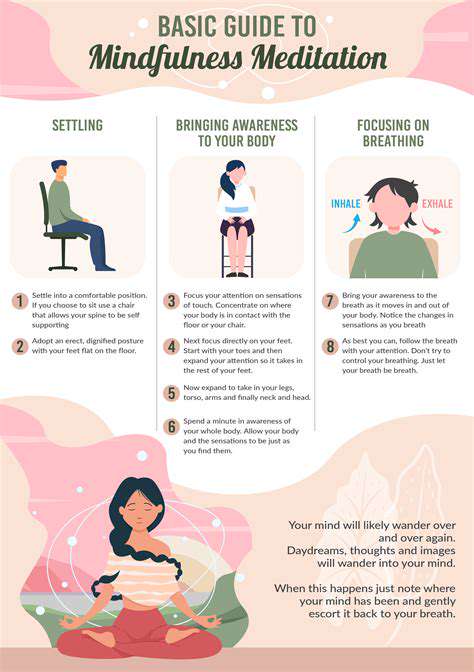
Once your Inner Peace Corner is established, integrating Mindfulness Practices can deepen the sense of calm. Activities like meditation, deep breathing exercises, or gentle yoga can be performed in this dedicated space. Studies show that regular mindfulness practice can lead to significant reductions in stress and anxiety. Furthermore, it may enhance overall emotional regulation and resilience.
- Consider setting a routine for spending time in this space.
- Use guided meditations or soft music to enhance your practice.
By consistently engaging in these practices, you’ll likely find it easier to access a state of peace and focus regardless of life's challenges.
The Long-term Impact of a Peaceful Space
Establishing an Inner Peace Corner is not just a quick fix; it’s a commitment to long-term wellness. Over time, the habitual use of this space can lead to profound changes in how you experience stress and navigate daily challenges. Consistent engagement with this environment helps reinforce positive habits and mental states.
Moreover, research supports that environments directly influence emotional well-being. Environments that are orderly and intentionally designed can lead to increased feelings of happiness and calmness. As you invest time in your Inner Peace Corner, you'll likely notice improvements in not just your mood, but your interactions and experiences in the broader world as well.
Choosing the Right Location for Your Inner Peace Corner
Understanding Your Space
When selecting a location for your Inner Peace Corner, it’s crucial to first analyze the layout of your space. Observing how Natural Light enters each room and identifying the most tranquil areas can greatly enhance the ambiance of your corner. Research has shown that natural light can significantly impact mental well-being, prompting a sense of calm.
Additionally, consider the sounds around you. Would a spot near a busy street be conducive to relaxation? Or is there a quiet nook that offers a reprieve from the busyness of daily life? By choosing a quieter area, you can create a more impactful space for meditation or reflection.
Assessing Energy Flow
Feng Shui emphasizes the importance of energy, or Qi, flow within a space. To choose an effective location for your Inner Peace Corner, evaluate how energy flows through your home. Is there a congested area where energy stagnates? Avoid placing your corner in these spots, as they may hinder the intended calming effects.
According to Feng Shui principles, corners that are open and airy tend to promote a positive energy flow, increasing your chances of experiencing serenity in that space. Keep doors and windows accessible to ensure that energy can circulate freely, enhancing the peaceful atmosphere you desire.
Creating a Harmonious Environment
The location of your Inner Peace Corner should promote harmony and balance. When selecting this space, look for elements that can complement your calming activities, such as plants, artworks, or natural materials. Each element should work together to create a cohesive aura that supports relaxation.
For example, incorporating a small water feature can enhance serenity and mask unwanted noise, while plants can purify the air. According to a study from NASA, certain plants can eliminate toxins from indoor air, making your space not only beautiful but also healthy.
Consider using Calming colors in your design as well; soft earth tones or pastel colors can significantly affect mood and create a soothing atmosphere.
Ensuring Privacy and Escape
When establishing your Inner Peace Corner, privacy is key. Find a location that allows you to escape from daily distractions, whether it’s a secluded room or a corner of your garden. A sense of privacy aids in deepening your meditation practices and enhances your ability to unwind.
Consider adding curtains or screens to delineate the space, providing both visual and auditory separation from the outside world. Make sure your corner feels intimate and secure to truly engage in self-reflection and relaxation.
Positioning for Optimal Comfort
Think about the furniture layout in your chosen area. Your Inner Peace Corner should be inviting and comfortable, encouraging you to spend time there. A cozy chair, soft cushions, or a yoga mat can transform the space into a welcoming retreat for relaxation.
It's essential to place your seating in a way that offers a view of the room's entrance; Feng Shui suggests this gives a sense of safety and control in your environment. Remember, the more comfortable the space, the more time you will naturally want to spend unwinding there.
Personal Reflection and Adjustments
Choosing the right location for your Inner Peace Corner is ultimately a personal journey. Take time to reflect on what feels best for you. After setting up your space, spend time observing how you feel there. Are there adjustments you need to make to enhance tranquility?
A continuous feedback loop will help tailor the area to your specific needs. You might find that rearranging a few elements or adding personalized items, like photos or crystals, can dramatically increase the effectiveness of your corner, making it a sanctuary uniquely yours.
Essential Elements to Include in Your Inner Peace Corner
Choosing the Right Location
Before setting up your inner peace corner, consider the location carefully. A quiet space away from the hustle and bustle is ideal. Rooms that receive ample natural light can enhance the serene atmosphere. Locations near windows are particularly beneficial as they allow for a connection with nature, which can be grounding.
Furthermore, avoid placing your corner in high-traffic areas of your home, as distractions can undermine the purpose of the space. If feasible, select a spot where you can consistently maintain privacy and a sense of solitude to deepen your relaxation experience.
Incorporating Calming Colors
Colors play a vital role in setting the mood of your inner peace corner. Research indicates that various hues can influence emotions and feelings; for example, blues and greens are associated with calming effects. Consider using soft pastels or muted tones that create a soothing ambiance.
Paint the walls in these calming colors or use them in accents such as cushions, artwork, or throw rugs. Additionally, incorporating Color Psychology can help personalize the space, tailoring it to what brings you tranquility and comfort.
Essential Furniture and Decor
Furniture selection is crucial for creating a functional inner peace corner. A comfortable chair or cushion can provide the perfect spot to relax. If space allows, consider adding a small table for drinks or books, which can enhance the usability of the area.
Incorporate meaningful decor that inspires serenity—this could include calming artwork, photos that evoke positive memories, or natural elements like stones and crystals. Each piece should create a cohesive look that reflects your personal journey toward inner peace.
Remember, less is often more in a serene space; a clutter-free environment enables clearer thinking and relaxation.
Natural Elements to Enhance Calmness
Integrating natural elements can significantly enhance your inner peace corner. Plants, for instance, not only purify the air but also bring a living aspect to your space. Studies show that having greenery in indoor spaces can reduce stress levels and boost overall mood.
Additionally, elements like water features or soft sounds from nature can create a peaceful auditory experience. Consider a small fountain or a sound machine that reproduces calming sounds like ocean waves or birdsong to establish a tranquil atmosphere.
By bringing the outdoors inside, you create a holistic space that feels realigned with nature, which is essential for cultivating calmness.
Mindfulness Practices to Complement the Space
Your inner peace corner should not only be a reflective space but also a place to engage in mindfulness practices. Techniques like meditation or deep breathing exercises can be seamlessly integrated into this area. Provide meditation cushions or mats that encourage you to spend time focusing and centering yourself.
You might consider having various mindfulness resources at hand, such as books, journals, or guided meditation recordings. These elements can enrich your experience, providing direction and inspiration for your journey toward inner peace.
Personal Touch: Making It Your Own
The final element of your inner peace corner lies in personal touches. Incorporating items that hold sentimental value can create an intimate atmosphere that resonates with your unique journey. This could include heirlooms, mementos from travels, or inspiring quotes that motivate and uplift you.
By customizing your space, you develop a deeper emotional connection to it. Engaging your senses through tactile elements like soft fabrics, scented candles, or essential oils can further enhance the environment, promoting a sense of home and safety that nurtures your peace.
Creating a Calming Atmosphere Through Color and Decor
Understanding Color Psychology
Color psychology is a complex field that explores how different colors affect human emotions and behaviors. Research indicates that colors can significantly influence mood and can even lead to physiological changes. For instance, blue is known to evoke feelings of calm and serenity, while yellow can stimulate feelings of happiness and energy. Understanding these reactions allows individuals to select colors that promote relaxation in their living spaces.
Experts recommend incorporating soft hues into areas designated for relaxation or meditation, as these colors help in creating a sense of tranquility and security. Shades like pastels and muted tones can soften the visual stimuli in a room, making it easier for a person to unwind and feel at peace with their surroundings. This psychological principle can be a powerful tool when designing your inner peace corner.
Selecting Essential Decor Elements
When it comes to decor for a calming atmosphere, selecting elements that promote peace and balance is crucial. Natural materials such as wood, stone, and textiles can introduce organic textures that help ground the environment. The use of indoor plants not only enhances aesthetics but also purifies the air, contributing to a healthier living space. Research has shown that spending time around greenery can reduce stress and enhance overall well-being.
Integrative design suggests that simplicity is key. Choosing decor items with minimalistic designs can help prevent visual clutter, allowing for a more tranquil space. When selecting these elements, consider items that hold personal meaning, as they can contribute to a sense of comfort and belonging in your space.
Additionally, incorporating art or photographs that elicit positive memories can enhance your environment's emotional resonance, further reinforcing feelings of peace and contentment.
Incorporating Natural Light
Natural light plays a pivotal role in enhancing the ambiance of any space. Studies emphasize that exposure to natural light can affect serotonin levels, directly influencing mood and cognitive function. Therefore, maximizing daylight in your inner peace corner can significantly elevate the calming effect of your decor choices.
To harness natural light, consider using sheer window coverings, which allow soft light to filter through while maintaining privacy. Strategic placement of mirrors can also reflect and amplify light, creating a brighter and more welcoming atmosphere. If natural light is limited, employing warm artificial lighting can help create a similar effect without overwhelming the senses.
Creating a Balanced Layout
The arrangement of furniture and decor greatly affects the flow and energy of a space. Following Feng Shui principles can help in creating a balanced and harmonious layout. For example, positioning furniture to encourage conversation and engagement can foster a sense of community and connection, which is essential for emotional well-being.
Additionally, ensuring that walkways are clear and unobstructed promotes a sense of safety and freedom of movement. Consider the placement of larger pieces first and then add smaller items to maintain visual stability. Utilizing symmetry can also enhance balance within the environment. For example, pairing decor items or plants on either side of a focal point can create a sense of order and calm.
Utilizing Fragrance for Calmness
Incorporating pleasant scents can also play a vital role in cultivating a soothing atmosphere. Aromatherapy focuses on the use of essential oils to promote relaxation and emotional well-being. Scents such as lavender, chamomile, and sandalwood have been shown to reduce anxiety and improve mood.
You may want to experiment with diffusers or candles to introduce these scents into your space. This multi-sensory approach can enhance the peaceful environment you've created through color and decor. Pairing the olfactory experience with your visual surroundings will help reinforce a calming atmosphere that supports your peace-seeking journey.
Personalizing Your Peace Corner
Finally, the most effective calm space is one that resonates with your personal tastes and preferences. No two peace corners are alike, and personalization is what transforms a space into a sanctuary. Consider displaying items from your travels, favorite quotes, or even meaningful books that encourage introspection and growth.
Taking the time to reflect on what truly relaxes you can greatly influence your design choices. Use this corner as a canvas for self-expression, embracing elements that speak to you on a deeper level. Whether it’s artwork, photographs, or things that remind you of special moments, your inner peace corner should serve as a reflection of your journey toward calm.
Developing Mindfulness Practices in Your Inner Peace Corner

Creating a Dedicated Space for Mindfulness
To effectively develop mindfulness practices, begin by creating a Dedicated Space that inspires peace and focus. Choose a corner or room in your home that feels natural for reflection and serenity. It’s essential that this space is free from distractions to foster genuine mindfulness. Make use of soft lighting, soothing colors, and quiet textures to enhance this environment.
Incorporate elements like cushions, a small fountain, or indoor plants that resonate with your senses. Evidence suggests that natural elements can significantly reduce stress levels and promote relaxation. The combination of physical comfort and sensory stimulation is crucial for reinforcing mindfulness practices.
- Choose a quiet corner or room free from distractions.
- Incorporate soft lighting and calming colors.
- Use natural elements such as plants to enhance tranquility.
Incorporating Mindfulness Techniques in Daily Routines
Once your inner peace corner is established, it's time to work mindfulness into your daily routines. Techniques like meditation, focused breathing, and journaling can be seamlessly integrated into this space. You might start with just five minutes a day and gradually increase the duration as you become more comfortable with the practice. This gradual approach can lead to significant long-term benefits for emotional well-being and mental clarity.
A study conducted by the American Psychological Association indicates that even brief mindfulness practices can enhance overall well-being, making it a valuable addition to busy lifestyles. Whether it's practicing gratitude journaling or simple breath awareness, consistency is key. Over time, these techniques will help solidify mindfulness as a fundamental part of your day.
Read more about